BAFTA Apology After N-Word Outburst at 79th Awards

BAFTA Apology After N-Word Outburst at 79th Awards
BBC and BAFTA apologized after a Tourette’s-related outburst carried a racial slur at the BAFTA Film Awards; the clip was later removed from iPlayer.
At the 79th BAFTA Film Awards in London, a loud tic from John Davidson, a Tourette syndrome campaigner and executive producer of I Swear, interrupted the ceremony. The involuntary outburst produced a profoundly offensive term that many in attendance heard during the live broadcast. The moment has sparked a broader conversation about disability, sensitivity in live TV, and the responsibilities of high-profile events to anticipate involuntary expressions.
BBC acknowledged it did not edit out the word in the tape-delayed broadcast and issued an apology. A BAFTA statement explained that the ceremony staff had informed attendees about the presence of a guest with Tourette’s and that tics or noises could occur. They noted that Davidson left the auditorium to watch from a screen, and they thanked him for his dignity and willingness to participate in what should have been a night of celebration. The organizations emphasized their duty of care to all guests.
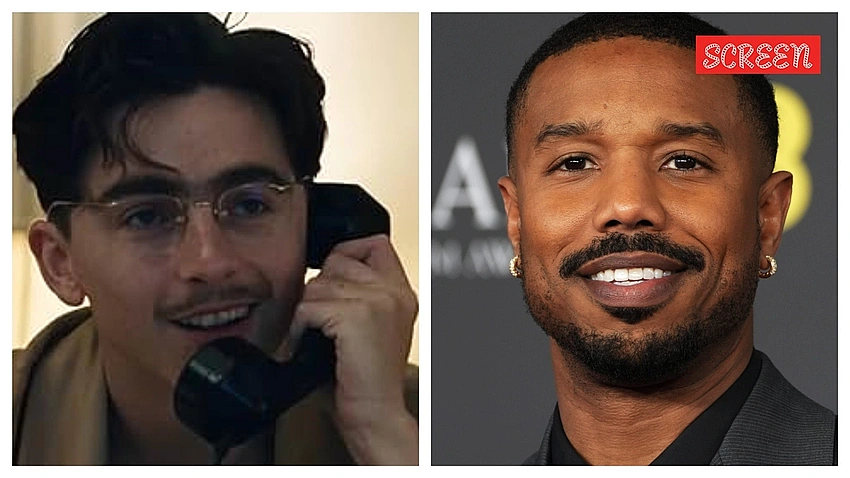
Michael B. Jordan and Delroy Lindo were on stage when the outburst happened, and both maintained composure and professionalism as the moment unfolded. Viewers described the reaction as a mix of surprise and discomfort, while the Tourette’s community and many audiences called for accountability and more careful handling of similar situations in the future.
Late Sunday, the BBC removed the BAFTA Film Awards from iPlayer after the tape-delayed broadcast included the unedited slur. Critics argued that the delay should have included stronger safeguards and edits. Supporters said the apology and the removal were important steps toward repairing trust and acknowledging the harm caused by racial slurs, even if involuntary.
As the debate continues, organizers stress the need for inclusive practices that recognize disability as part of human diversity, not a question of personal beliefs. The incident has become a touchstone for conversations about broadcast standards and the limits of humor in live performances, with calls for clearer guidelines and better training for hosts, technicians, and guests alike.
