Doomsday Clock Hits 85 Seconds to Midnight, Deepening Global Alarm

Doomsday Clock Hits 85 Seconds to Midnight, Deepening Global Alarm
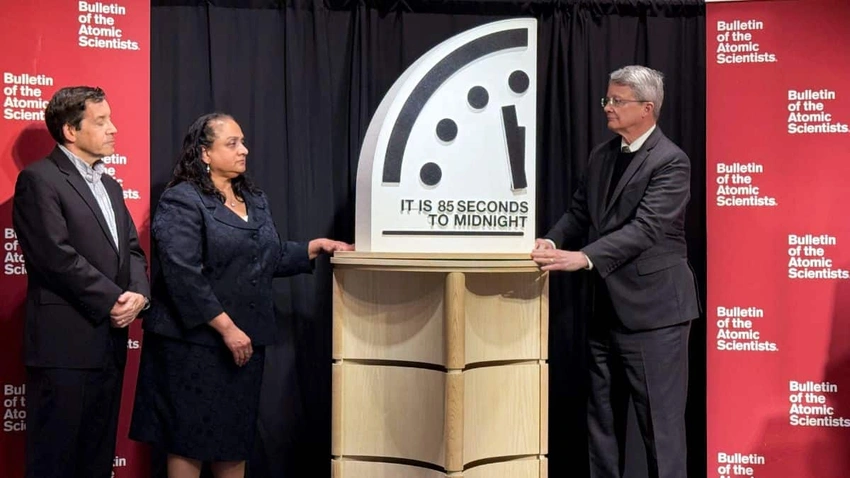
The Doomsday Clock is now 85 seconds to midnight, the closest it’s ever been to global catastrophe, intensifying debates on nuclear risk, climate threats, and governance.
On January 27, the Bulletin of the Atomic Scientists moved its Doomsday Clock to 85 seconds to midnight, the closest it has ever been to the metaphorical point of global catastrophe. The clock is more than a countdown; it’s a vivid symbol that translates abstract threats into a common language people around the world can grasp. Since its creation by a group of scientists connected to Chicago in 1947, the clock has aimed to spur dialogue between policy makers, the media, and the public about existential risks facing humanity. Its iconic design, crafted by artist Martyl Langsdorf, helped turn complex ideas about nuclear weapons and, more recently, climate change into a simple, memorable narrative: time running out.
The clock’s recurring moves—often toward midnight—have mirrored shifts in global security and risk management. It has credited major arms-control steps when those steps have been meaningful and condemned dangerous escalations when they have threatened to unravel existing safeguards. Over the decades, it has become a cultural touchstone, a measurable symbol that frames nuclear weapons and climate threats as not just political issues, but urgent, life-or-death matters requiring collective action. In this sense, the Doomsday Clock has succeeded in mainstreaming a difficult conversation about risk and responsibility, pushing media and public discourse to address what many would otherwise overlook.
Yet the clock’s record also highlights a persistent problem: it has not, by itself, moved political systems to overcome entrenched gridlock. Critics point out that raising alarm can mobilize attention without delivering durable reforms, and this paradox has defined much of the clock’s history. Still, supporters argue its most important achievement lies in agenda-setting—creating a shared frame for discussing risks and encouraging cross-border collaboration on mitigating threats. Climate change, nuclear risk, and related dangers have remained central to its narrative, with emerging concerns such as artificial intelligence risks joining the conversation as new frontiers of existential threat.
As global leaders grapple with a complex web of challenges, the 85-second setting serves as a stark reminder: warning signs exist, but turning warnings into policy requires sustained diplomatic effort, credible commitments, and transparent governance. Whether the clock will ever be moved back to safer minutes remains uncertain, but its role in shaping public understanding of risk—and in prompting ongoing dialogue about how to reduce it—appears likely to endure.
