The Kerala Story 2 Goes Beyond: Critics call it polarising propaganda

The Kerala Story 2 Goes Beyond: Critics call it polarising propaganda
A heated sequel critics say amplifies manipulation over nuance, raising questions about representation and media influence.
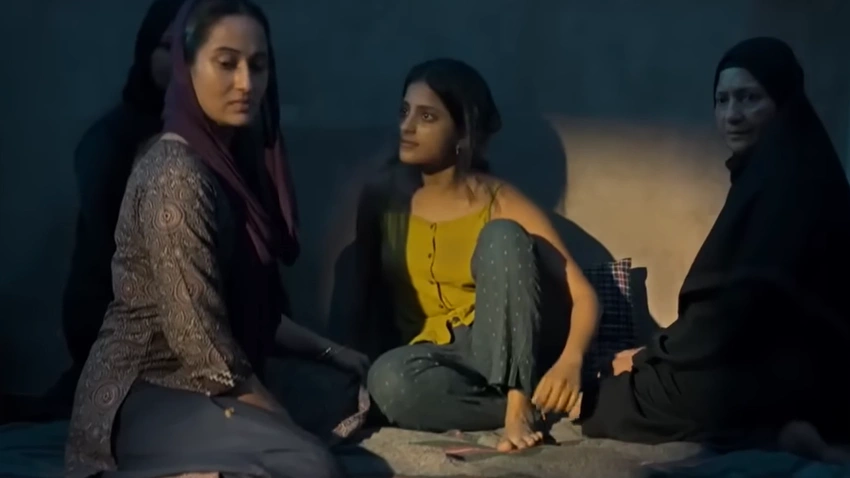
The Kerala Story 2 Goes Beyond, directed by Kamakhya Narayan Singh, opens with a stark premise that vows to widen the debate sparked by its predecessor. Critics argue the sequel is better performed than the original, yet it doubles down on manipulation and polarisation at the expense of plot and dialogue. Rather than a nuanced examination of faith and identity, the film leans into a binary narrative that labels communities as existential threats. By framing a trio of Hindu women who seek love with Muslim men as subjects of manipulation and coercion, the film invites audiences to view entire communities through a fear-based lens, a pattern some viewers find disturbingly familiar from history of propaganda in cinema.
Plot details follow three parallel stories of young women from different states who defy family expectations to pursue love, only to confront deception, forced religious conversion, and penalties for dissent. The device mirrors the original's sensational setup about non-Muslim women and conversion and extends it beyond Kerala into the national heartland. The film’s messaging appears tailored to trigger protective instincts around family, honor, and purity, which critics say closes off dialogue and instead channels outrage toward a demonised 'other.' Even the filmmakers’ attempt to deliver a cautionary message seems overshadowed by the weaponisation of gendered fear.
On social media, the trailer and concepts were greeted with jokes about food and identity, while some viewers flagged the film’s portrayal as a textbook example of polarising cinema that aims to split audiences into Hindu and Muslim camps. Box office data show a cautious opening; reports put the first day earnings around ₹3.5 crore after a late release was briefly stayed by the High Court before the stay was lifted. The result is a mixture of curiosity and scepticism, with early attendances varying by region.
The release has not been smooth in Kerala, with protests disrupting screenings in Kottayam as DYFI activists urged audiences to boycott and demanded refunds, arguing the film misrepresents the state's secular credentials. The episode underscores how sensitive the topic remains and how cinema can spark intense public discourse beyond theatre walls. As the debate continues, the film prompts broader questions about how storytelling shapes perceptions of religion and community, and whether art should challenge stereotypes or reinforce them.

Login to comment.
No thots yet. Be the first to share your thoughts!