Embarrassed ICE Agents Speak as Minneapolis Shooting Sparks Debate

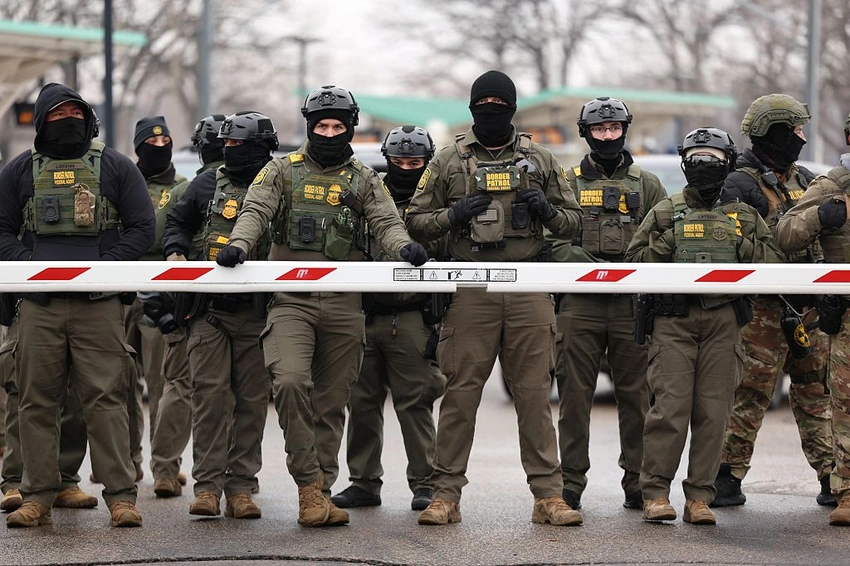
Embarrassed ICE Agents Speak as Minneapolis Shooting Sparks Debate
Current and former ICE agents voice concern and embarrassment after a deadly Minneapolis shooting, fueling a broader discussion on authority and recruitment.
Minneapolis is grappling with the fallout from a deadly shooting involving federal immigration agents, a case that has thrust the broader debate over immigration enforcement into the city’s streets and town halls. On the heels of the incident, current and former ICE officers have spoken out, saying they feel embarrassment and concern about what happened and about a broader push to recruit more agents. The remarks underscore a moment of reckoning for a federal program that operates in complex legal space and in a city already wary of what national policy means for daily life.
Legal experts are weighing in on what immigration agents can—and can’t—do under the law, in the wake of the shooting. The question of authority has become a focal point for lawmakers, advocates, and residents who want to understand the limits of federal power in city neighborhoods.
The episode has also raised questions about how such actions shape life in Minneapolis. Some residents report a heightened sense of scrutiny and surveillance, while business owners wonder how federal activity might affect everyday routines and safety perceptions.
Analysts point to a larger debate about oversight, training, and accountability for federal agents operating inside state and city lines. The discussions are not just about a single incident but about how to balance public safety with civil liberties, and how to ensure that recruitment and deployment practices reflect community concerns.
Investigations into the shooting are expected to unfold, with federal agencies reviewing procedures and potential policy adjustments on the horizon. As officials weigh reforms, Minneapolis officials, legal experts, and residents say transparency and clear explanations will be crucial in rebuilding trust.
In the days ahead, observers will watch how the city responds — whether new oversight measures emerge, or whether the incident simply sharpens the ongoing conversation about immigration enforcement in urban America.
