Tensions Rise as Hormuz Strait Looms Over Global Oil Routes

Tensions Rise as Hormuz Strait Looms Over Global Oil Routes
Hormuz tensions surge as an Indian LPG tanker passes through amid warnings of risk and a standoff that could reshuffle global oil routes.
From Mumbai, traders and policymakers are watching Hormuz as it returns to the center of a high-stakes standoff that could ripple through energy markets. The Strait of Hormuz, a narrow gateway that channels a significant share of the world’s oil, has become a stage for sharp rhetoric and potential action, with warnings of rapid moves if Iran refuses to reopen the chokepoint. The back-and-forth has left ships and insurers on edge, underscoring how political brinkmanship can translate into real-world shipping risk. The market and navies alike are weighing the consequences of any disruption to this vital route.
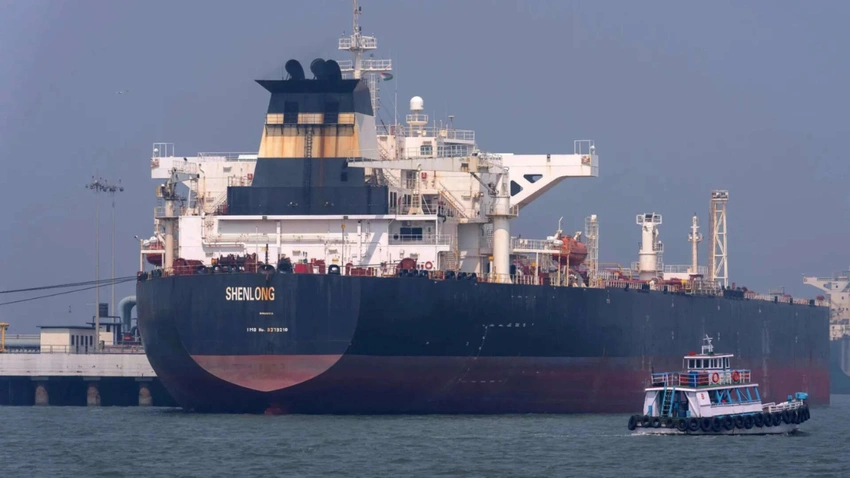
In a concrete signal of ongoing use despite the tensions, Indian-flagged LPG tankers have continued to navigate Hormuz. A seventh LPG tanker, along with six other Indian vessels, successfully threaded the route and reached Indian shores, highlighting the chokepoint’s enduring importance for energy supplies. Yet the scene remains mixed: seventeen ships still wait on the western approaches, including two LPG carriers, as navies monitor developments and merchants adjust schedules and insurance coverage.
Analysts caution that while Tehran could theoretically ease the chokehold, many doubt a swift reversal. US intelligence discussions have suggested that reopening would require a political pivot, and the current posture remains fluid. The risk of miscalculation is high, with a single misstep potentially triggering broader regional instability.
For shipping firms, insurers, and governments, the message is clear: Hormuz’s status will continue to shape routes, pricing, and diplomacy for months to come. The watch over this narrow waterway remains active, and the global economy remains sensitive to even modest changes in control and access to this crucial passage.
