Tens of thousands march in London against the far right in historic multicultural rally

Tens of thousands march in London against the far right in historic multicultural rally
Tens of thousands gathered in London to oppose the far right, uniting charities, unions, and celebrities in a landmark multicultural march.
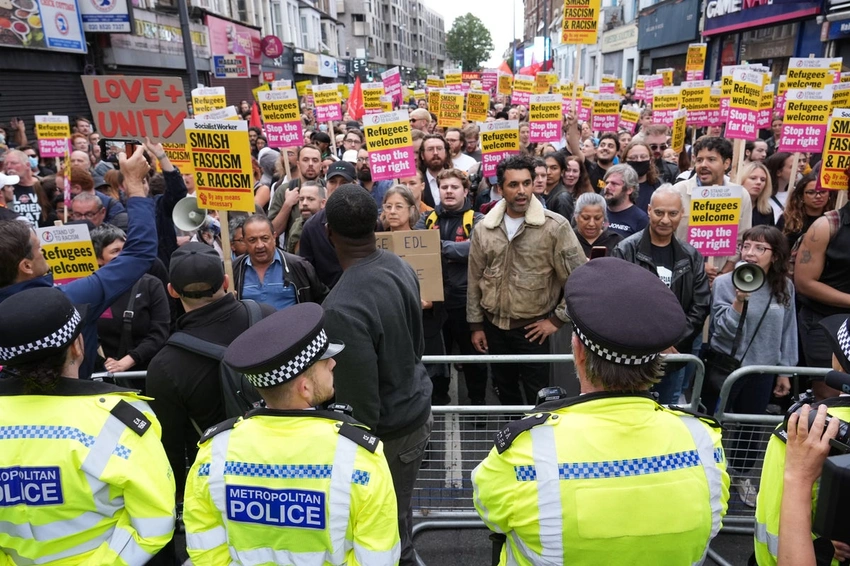
Tens of thousands gathered in London to march against the far right in what organizers say is the biggest multicultural demonstration in UK history. While organizers claimed up to half a million people were traveling to the capital, police estimated the turnout at around 50,000, noting the diffuse nature of the crowd made precise counting difficult. The march began in Park Lane and wound its way to Trafalgar Square via Whitehall, a display of unity said to be organized by more than 100 charities, campaign groups, and trade unions.
Dozens of coaches arrived from across the country, including ten from Manchester, underscoring the broad, national reach of the protest. Demonstrators were treated to performances from artists and bands such as Self Esteem, Jessie Ware, Katy B, Joy Crookes, UB40, and Hot Chip, while speeches from Labour MP Diane Abbott and Green Party leader Zack Polanski drew loud cheers from the crowd gathered on Whitehall.
Polanski framed the gathering as a turning point, urging people to “go back to your communities, to your trade unions, to your neighbours.” He insisted the fight against hate requires organized action at the local level and that upcoming elections could become a turning point in shaping a more inclusive future.
The protest also served as a broad response to the September “unite the kingdom” rally led by Tommy Robinson, with organizers and participants stressing the importance of solidarity in the face of far-right rhetoric. The mood of the event was hopeful and determined, signaling a message that those present intend to defend diversity and inclusion through peaceful, collective action.
As Westminster loomed as the focal point for the day’s events, organizers emphasized that the message was not about confrontation but about drawing communities together to oppose hate, advocate for equality, and encourage participation in local and national political life. The logistics included a strong police presence to maintain safety and order, reflecting the high-profile nature of the gathering and its potential to influence public discourse in the weeks ahead.
