Humanoid Robot For Your Home Promises Help But Sparks Privacy Fears

Humanoid Robot For Your Home Promises Help But Sparks Privacy Fears
Humanoid Robot For Your Home Promises Help But Sparks Privacy Fears
The 1X Neo humanoid robot is coming to homes in 2026 for 20000 dollars. It can clean and fetch but raises privacy concerns.
A new humanoid robot called Neo is being marketed as the first true home robot. It is built by 1X Technologies and costs 20000 dollars. Pre orders are open now. Delivery is expected in 2026.
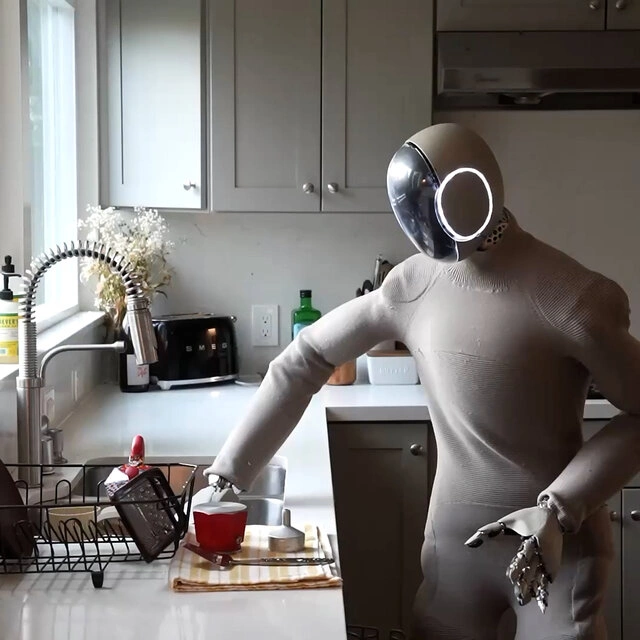
Neo is designed to look and move like a person. It uses tendon like motors that mimic human muscles. It can lift up to 150 pounds but weighs only 66 pounds itself. The company says it is safe to have around people.
What Neo can do today
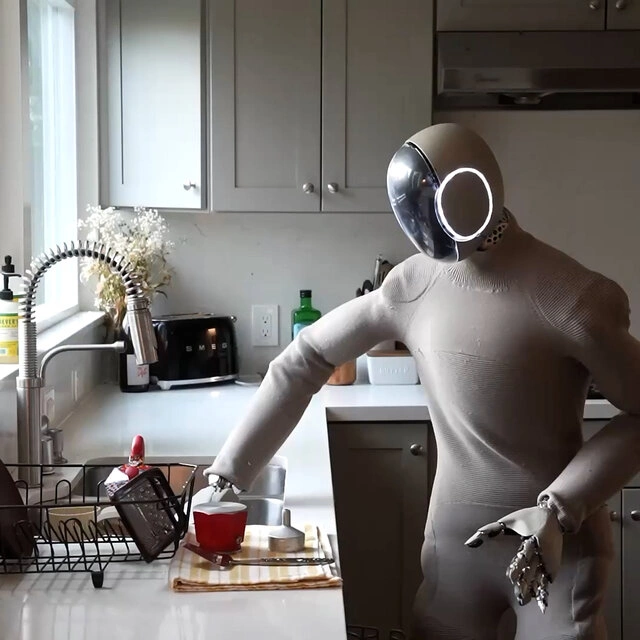
Neo can fetch a bottle of water. It can load a dishwasher. It can carry light objects. But it is slow. A simple task can take minutes. The current version overheats and needs breaks.
Right now Neo is not fully autonomous. Most of its actions are guided by remote human operators. These operators wear VR headsets and control Neo’s movements. The company uses these sessions to train its AI. The goal is to make Neo independent in the future.
The Privacy tradeoff
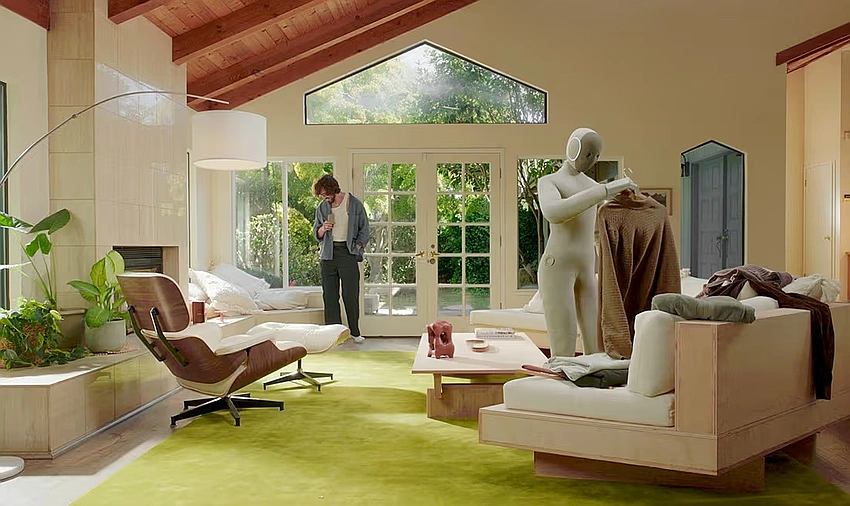
This is where the story gets strange. To help Neo complete tasks, remote operators may see inside your home through its cameras. That means strangers could watch your living room while guiding the robot.
The company says users can set privacy zones. People can be blurred. Rooms can be marked as off limits. But the fact remains that Neo’s eyes are also the eyes of someone else.
The promise of autonomy
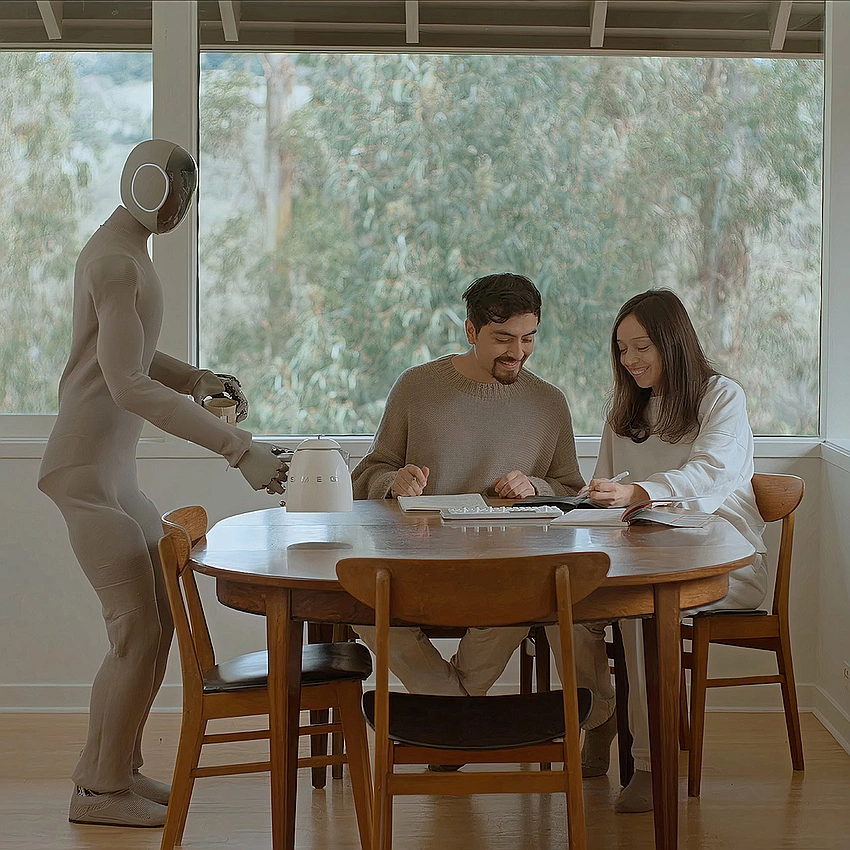
By 2026 the company expects Neo to handle most chores on its own. It will not be perfect. The phrase used is robotic slop. That means results will be good enough but not flawless.
Neo will not be allowed to handle dangerous items. No sharp knives. No boiling water. No heavy furniture. Safety is built into its design.
Why this matters
Neo represents the start of physical AI in homes. Until now AI has lived in screens and speakers. Neo brings it into the physical world. It could help elderly people live independently. It could assist with daily chores for busy families. But it also raises questions. How much privacy are people willing to give up for convenience? How much patience will they have for a robot that works slowly?
User reactions
Some are impressed based on online videos. One comment said this is the future we were promised in science fiction. Another viewer was skeptical. They wrote I do not want a stranger watching me just to load my dishwasher. The reactions show the divide. Excitement about the potential. Concern about the tradeoffs.
The bigger picture
Neo is not alone. Tesla is working on its Optimus robot. Figure is building its own humanoid helper. The race to put robots in homes has begun. Neo 1X has the advantage of being first to market. But it also faces the hardest challenge. Convincing people to trust a robot that can see and move inside their homes.
What comes next
The company believes Neo will improve rapidly. Every teleoperated session adds to its training data. Every task completed makes the AI smarter.
If the plan works Neo could become a common sight in homes within a decade. If it fails it may be remembered as an expensive experiment. Neo is bold. It is flawed. It is a glimpse of a future where robots are not just tools but companions in our daily lives. Whether people embrace it will depend on how much they value convenience over privacy.
