New research rewrites Hastings myth: Harold’s army sailed, not marched

New research rewrites Hastings myth: Harold’s army sailed, not marched
Historians challenge the century-old image of Harold’s 200-mile march, proposing ships carried the army instead.
A fresh look at the events surrounding the Battle of Hastings in 1066 is reshaping a long‑standing national story. New research argues that the iconic image of Harold Godwinson’s forces storming south on foot for nearly 200 miles is highly unlikely. Instead, evidence suggests Harold’s army relied on ships for at least part of the journey, with the fleet returning to London and remaining ready for action rather than disbanding after a land dash.
Professor Tom Licence, a medieval history and literature scholar, contends that the widely cited narrative grew out of a Victorian misinterpretation rather than a stubborn, modern conspiracy. He argues the Anglo‑Saxon Chronicle was read incorrectly and that phrases about ships “coming home” were not signals to abandon naval power but descriptions that have been misunderstood by later historians.
“Harold’s campaign was not a desperate dash across England,” Licence says. “It was a sophisticated land‑sea operation. The notion of a heroic, unmounted march across nearly 200 miles is implausible given medieval roads and the aftermath of battle.” He notes multiple contemporary references to Harold’s fleet, which modern historians have often dismissed or explained away, suggesting the evidence for a full forced foot march simply isn’t there.
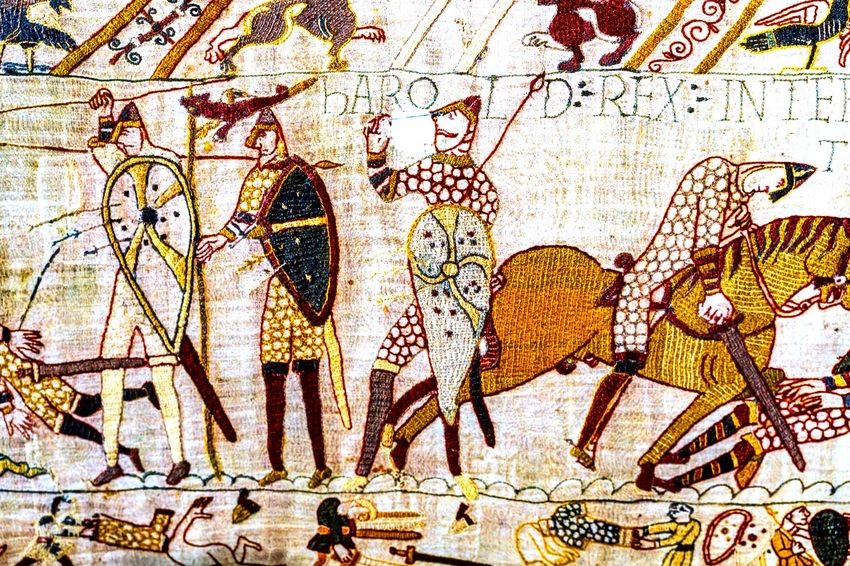
The new interpretation aligns with a broader view of the era’s logistics, in which fleets and shore movements played a decisive role in campaigns. The Bayeux Tapestry, frequently cited in discussions of Hastings, has also been re‑examined in light of these claims, with scholars considering how maritime support could have shaped Harold’s ability to reach the Hastings peninsula in time for battle.
If this account holds, it redefines how historians understand not just Hastings, but the practicalities of 11th‑century warfare in England. Rather than a lone sprint on foot, Harold’s campaign could have been a coordinated, multi‑modal operation that leveraged ships and waterways to move troops efficiently. The shift in interpretation invites a re‑examination of primary sources and a new era of discussion among scholars about medieval military logistics and Victorian legacy.
