Altman’s Energy Remark Triggers AI Debate Across Tech World

Altman’s Energy Remark Triggers AI Debate Across Tech World
OpenAI chief Sam Altman says AI training costs echo human development, sparking a wave of debate on energy, dehumanization, and technology power.
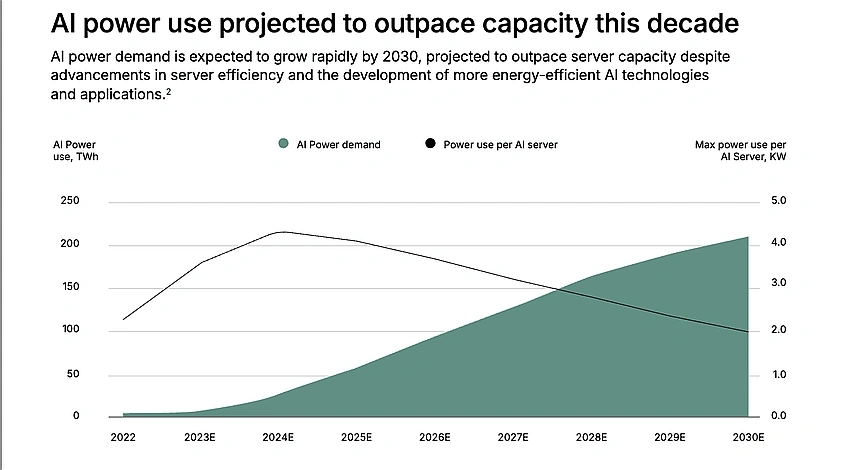
OpenAI CEO Sam Altman sparked a global debate with a provocative framing of AI energy costs, arguing that the heavy lifting happens during training and that, once trained, AI queries can be more energy-efficient than humans answering questions. The comment set off a round of discussions about how we measure the environmental footprint of intelligent systems and what that means for human flourishing. Critics say the analogy risks dehumanizing people by treating them as mere biological processors, potentially nudging policy and public sentiment toward accepting AI superiority as a default outcome.
Tech entrepreneur Sridhar Vembu, founder of Zoho, joined the conversation with a sharper rebuttal, suggesting that technology should recede into the background rather than be celebrated as a perpetual driver of progress. Vembu drew a parallel between the scale and financial power of large tech firms and the East India Company, warning that power concentration can outpace meaningful checks and balances even as energy math is debated.
Beyond the energy accounting, Altman’s remarks touched on the broader feasibility of ambitious infrastructure plans. He has publicly questioned the viability of orbital computing and space-based data centers, pointing to prohibitive launch costs and unresolved cooling challenges. Critics welcomed the skepticism, arguing that the economics of space data centers don’t add up for now, while supporters say a long-term look at emerging technologies is warranted.
The exchange highlights a central dilemma in modern AI discourse: how to align ambitious technical capability with concerns about environmental impact, human well-being, and the distribution of power. Advocates for more transparent energy accounting argue that raw efficiency metrics must be contextualized within broader social and ecological costs, while opponents warn against framing humans as mere energy inputs in a race toward smarter machines.
As the debate unfolds, observers say the onus is on researchers, policymakers, and industry leaders to articulate a shared framework for evaluating AI’s energy footprint, the ethics of automation, and the long-term implications for human flourishing. The conversation shows no sign of cooling, with voices from tech, academia, and business urging a careful, inclusive approach to how we build and deploy increasingly capable AI systems.
