Pakistan Threatens War Over Water with India: Indus Treaty Dispute Escalates

Pakistan Threatens War Over Water with India: Indus Treaty Dispute Escalates
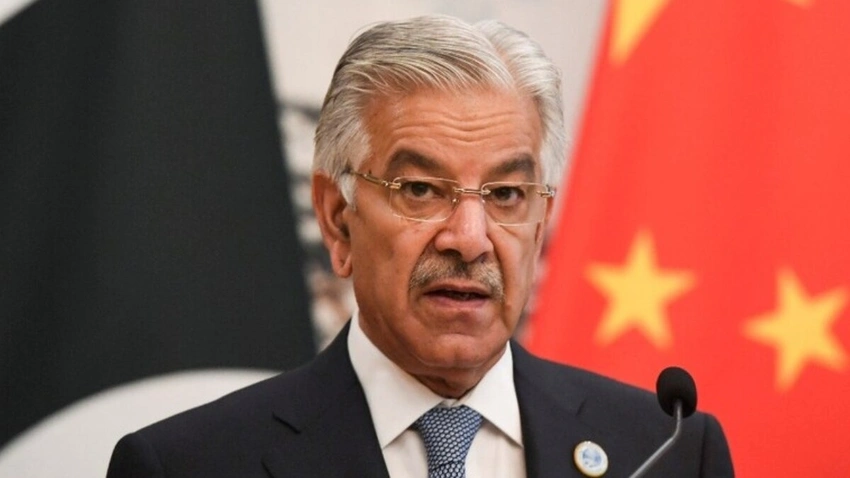
Pakistan's Defence Minister Khawaja Asif warns of war with India over the Indus Waters Treaty. Water security is a core national issue as India considers restricting flow.
Pakistan's Defence Minister Khawaja Asif has issued a stark warning, stating that Islamabad would consider going to war with India if New Delhi's actions regarding the Indus river system threaten Pakistan's water security. This marks a significant escalation in a long-standing dispute that reignited after India suspended the Indus Waters Treaty last year.
Speaking to ARY News, Asif emphasized that water is a critical national security issue for Pakistan. "The moment we feel that our national security — and water is part of our national security — is being threatened, we will go to war against India. Definitely," he asserted. He further suggested that Pakistan, already grappling with a severe water crisis, might take action if there were clear indications of India rapidly moving to restrict or alter water flows under the existing river-sharing arrangement.
This latest warning comes in the wake of a video clip featuring India's Jal Shakti Minister, C.R. Patil, who reportedly indicated that the flow of Indus waters to Pakistan could be completely halted by June 2028. Such a move would have dire consequences for Pakistan, where the river system is vital for agriculture, irrigation networks, and the broader economy, supporting millions of people.
The 1960 Indus Waters Treaty, brokered by the World Bank, governs the sharing of the Indus river system's waters. It allocates roughly 80% of these crucial waters to Pakistan. Tensions over the treaty have been high since India unilaterally suspended the agreement following a terror attack in Pahalgam, Jammu and Kashmir, which occurred in April 2025 (as per the source, assuming a past event or a typo for a future date). India attributed the attack, which killed 26 people, to Pakistan-backed terrorists and stated the treaty would remain suspended until Islamabad takes verifiable and irreversible action against cross-border terrorism.
Pakistan has consistently objected to India's suspension of the treaty, arguing that any disruption to water flows would lead to severe humanitarian and economic repercussions for its populace. The current threats underscore the deepening crisis and the potential for serious geopolitical instability in the region.
