Why the New Lord of the Flies Trailer Feels Like a Mirror to Our Toxic Stan Culture

Why the New Lord of the Flies Trailer Feels Like a Mirror to Our Toxic Stan Culture
Netflix is bringing Lord of the Flies back on May 4, and the brutal trailer suggests the 1954 classic has never been more relevant to our modern internet mobs.
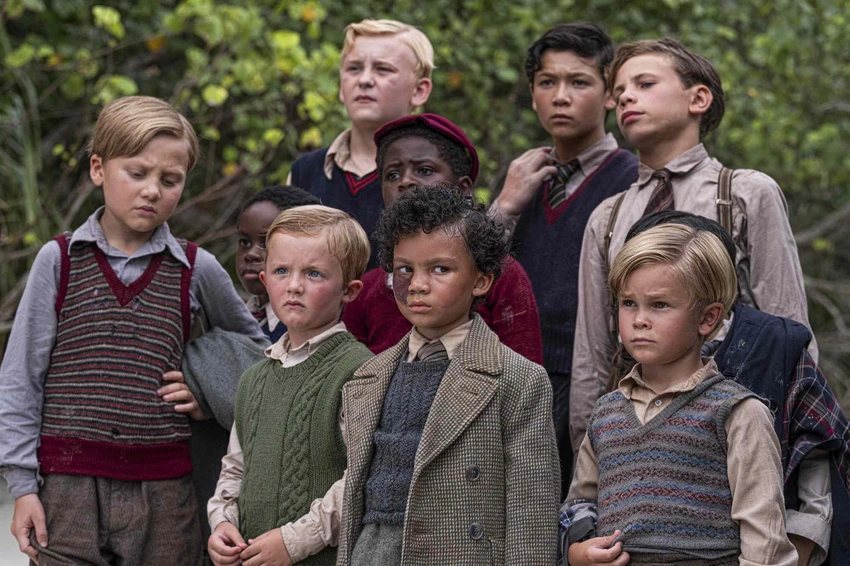
When William Golding wrote his masterpiece in 1954, he was exploring the thin line between civilization and savagery. Fast forward to today, and the first trailer for the upcoming Netflix limited series suggests that the line has officially blurred. Arriving on May 4, this new adaptation looks even more brutal than the version many of us were forced to read in high school. But as the footage of face-painted boys and sharpened spears flashes across the screen, it is hard not to notice something chilling. This does not just feel like a period piece about stranded schoolboys; it feels like a documentary about modern stan culture.
The Tribalism of the Island
In the original story, the boys split into two factions. There is Ralph, who represents order and the boring necessity of keeping a fire lit, and Jack, who represents the visceral thrill of the hunt and the power of the mob. In the digital age, we see this play out every single day on social media. The transition from a group of individuals to a faceless, chanting mob is no longer just a metaphor for war. It is a direct parallel to how fandoms and political circles operate online. When Jack commands his hunters, he is not just a leader; he is the ultimate influencer, and his followers are ready to cancel anyone who stands in the way of the hive mind.
Brutality as the New Normal
The trailer emphasizes a level of violence that feels intentionally visceral. We live in an era where internet pile-ons can destroy a life in twenty-four hours. The dehumanization of Piggy is not that different from the way anonymous avatars treat their targets in a comment section. By stripping away the names and personalities of the boys and replacing them with masks, the series highlights the anonymity that fuels modern cruelty.
Why May 4 Matters
Launching this series in May feels like a strategic move to capture the summer conversation. If the showrunners lean into this connection, they might have the most relevant show of the year. We are currently living in a global experiment regarding how humans behave when the traditional rules of engagement disappear. Whether it is a deserted island or a digital platform, the results seem to be the same. This reboot is not just about kids with sticks. It is about the terrifying speed at which we all turn on each other when the signal goes out and the masks come on. If the trailer is any indication, Netflix is about to show us exactly how ugly our own reflection has become.
