India Rejects UN Minorities Report as 'Politically Motivated' 🇮🇳🗣️

India Rejects UN Minorities Report as 'Politically Motivated' 🇮🇳🗣️
India strongly rejects a UN panel's report citing concerns over discrimination against minorities, calling its references "politically motivated" and "malicious." Get the full story on this diplomatic spat.
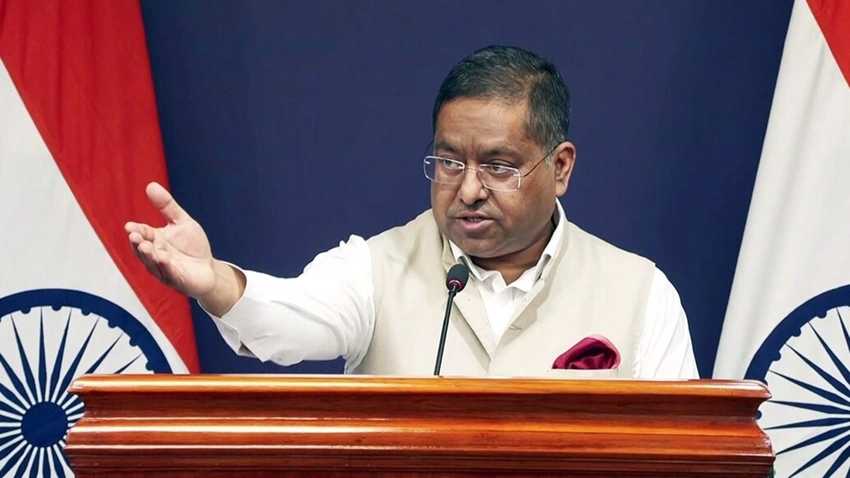
India has vehemently rejected a recent United Nations panel report that raised concerns about the treatment of minorities, labelling its contents as "politically motivated" and "highly malicious." The Ministry of External Affairs (MEA) spokesperson, Randhir Jaiswal, stated that India dismisses the report with "all the contempt that it deserves."
The UN Committee on the Elimination of Racial Discrimination (CERD) had highlighted what it described as an increase in law enforcement operations targeting specific groups within India. These groups reportedly include Rohingya, Bengali-speaking Muslims, migrants, and asylum-seekers.
The committee's concerns were reportedly linked to a 2017 home affairs order and the April 2025 Pahalgam attack in Kashmir.
The UN body also voiced "grave concern" over caste, ethnic, and religious discrimination, flagging the targeting of ethno-religious groups, tribals, and people on the lower rungs of the Hindu caste system.
Despite the strong rebuttal, the MEA emphasized that India had participated in the review process in a "spirit of constructive engagement." However, the government firmly believes that the references made in the report are unwarranted and driven by ulterior motives rather than a genuine assessment of the situation on the ground.
This diplomatic exchange underscores the ongoing debate surrounding human rights issues and national sovereignty. India maintains that it is committed to upholding human rights for all its citizens and views such reports as an interference in its internal affairs, especially when perceived as biased or inaccurate. The government's stance reiterates its long-held position against external scrutiny it deems unfair or driven by specific agendas.
The strong language used by the MEA indicates the seriousness with which India views these international criticisms.
The allegations of "large-scale violations" by law enforcement personnel against ethnic and ethno-religious populations were central to the UN Committee's remarks, prompting India's sharp response. This development highlights the complex relationship between international bodies and sovereign nations regarding human rights monitoring.

Login to comment.
No thots yet. Be the first to share your thoughts!