Orbán steps down after landslide defeat, vows to rebuild Hungary

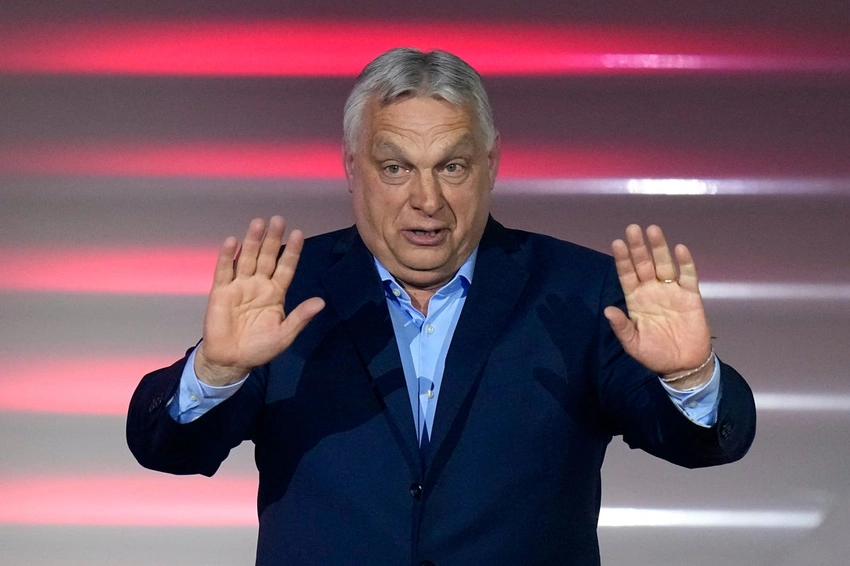
Orbán steps down after landslide defeat, vows to rebuild Hungary
Outgoing Hungarian PM Viktor Orbán steps aside after a landslide loss, focusing on reorganizing the patriotic movement as a new era dawns in Hungarian politics.
Viktor Orbán is stepping down from Hungary’s parliament after his party suffered a landslide defeat that ends his 16-year rule. The result marks a dramatic shift in the country’s political landscape and underscored growing public dissatisfaction with corruption allegations and slipping living standards. The vote saw Fidesz fall from 135 seats to 52 in the 199-seat National Assembly, paving the way for a new majority that will remake Hungary’s domestic policies and recalibrate its global relationships. A new parliamentary majority, led by the party Tisza, won more than two-thirds of the seats, signaling a wholesale reset of how the country is governed.
In a video statement released on social media, Orbán said he would not take up his seat in parliament despite being re-elected on his party’s proportional list. He explained that his role now lies in reorganizing the patriotic movement, a signal that his influence will persist outside the chamber as the political map undergoes a dramatic transformation. After a meeting of Fidesz officials, the bloc’s leadership passed to Gulyás Gergely, who had previously overseen the prime minister’s office, beginning a new era for the governing coalition.
Orbán asserted that the mandate he received as the lead candidate on the Fidesz-KDNP list was a parliamentary mandate of Fidesz, and for that reason he chose to return it. The plan, he indicated, is to ensure the party’s parliamentary caucus is reshaped to fit the needs of the moment, while the country prepares for a broader realignment of its policies and international stance. The change is framed as a chance to address issues that have haunted Hungarian voters for years, including calls for greater transparency and a more accountable public sector.
The incoming government has signaled a sharp swing on several fronts. It has vowed to reverse Orbán-era changes to education and health systems, tackle corruption head-on, restore judicial independence, and dismantle what critics describe as the patronage system known as NER that critics say enriched party loyalists and drained state resources. Analysts say the shift could redefine Hungary’s relations with the European Union and redraw the balance of power within the region, while delivering a test for the opposition’s cohesion and its ability to govern.
For ordinary Hungarians, the election outcome raises questions about cost-of-living pressures, security, and Hungary’s role on the world stage. The new majority faces the challenging task of stabilizing the economy, rebuilding trust in public institutions, and delivering tangible reforms that can appeal across the political spectrum. Whether the reforms will satisfy voters and how quickly the changes take hold will shape Hungary’s political climate in the months ahead.
