The Internet Never Forgets: Why Retiring Creators Find it Impossible to Disappear

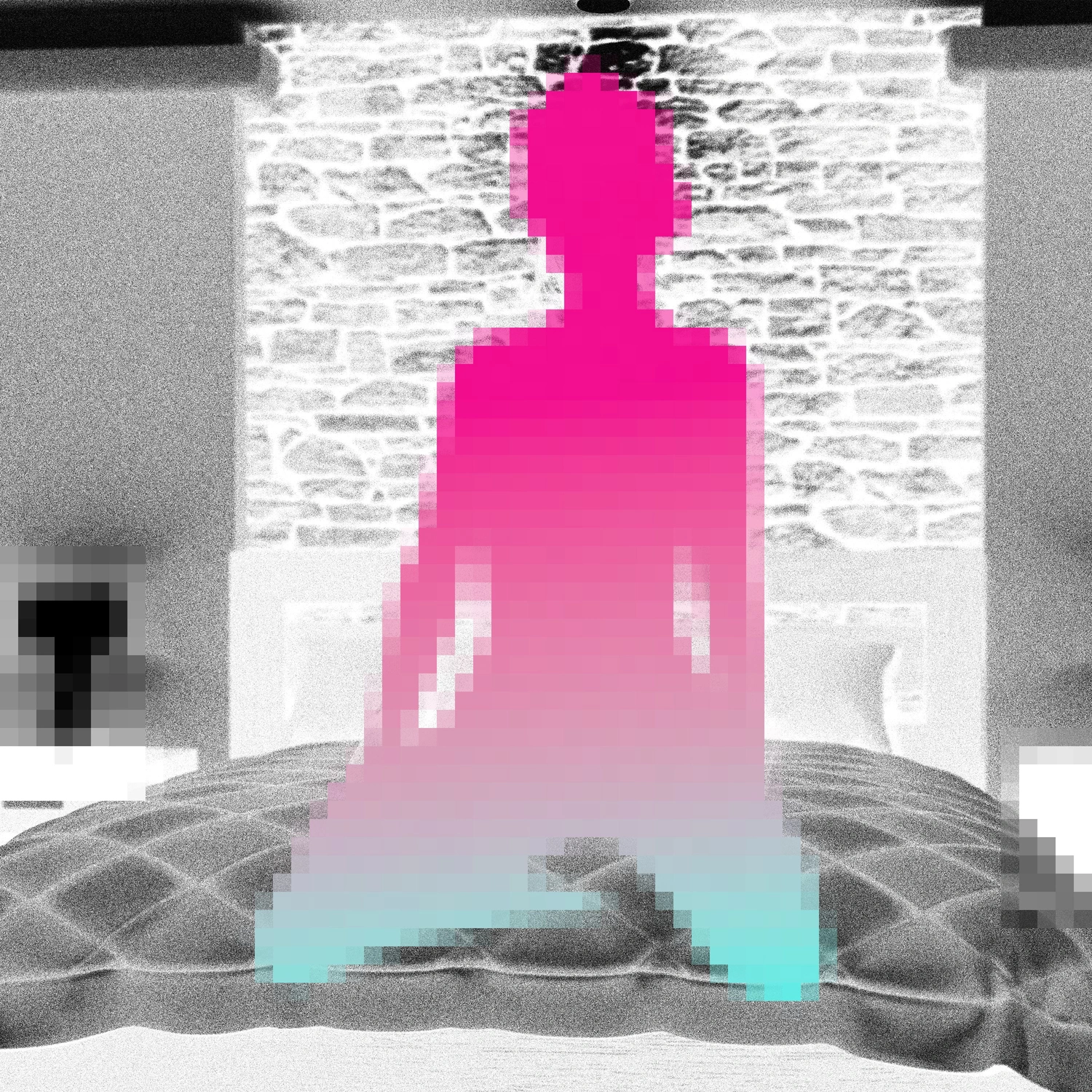
The Internet Never Forgets: Why Retiring Creators Find it Impossible to Disappear
Creators are leaving platforms like OnlyFans only to find their digital ghosts haunted by a lack of consent. Is it time we rethink the right to be forgotten?
The Permanent Digital Footprint: Can You Ever Truly Hit Delete?
We were told the internet was written in ink, but for the first generation of professional creators, it feels more like it is carved in stone. As the pioneers of creator-led platforms reach a point where they want to transition into new careers or private lives, they are hitting a massive brick wall. The dream was simple. You build a brand, you make your money, and then you move on. The reality is far more haunting.
The Ghost in the Machine
When a creator decides to retire, they usually start by hitting the delete button. They close their accounts and wipe their bios. However, the internet has a way of hoarding data that individual creators cannot control. Content is scraped by third-party sites, archived by bots, and re-uploaded to forums without consent. This creates a digital afterlife where a person's past work exists independently of their current identity.
Why Consent is Complicated
The concept of consent is often treated as a one-time transaction in the digital world. You agreed to post it, so it stays. But true consent should be ongoing. If a person no longer wants their image or work associated with a specific industry, they should have the power to withdraw that association. Unfortunately, the decentralized nature of the web makes this nearly impossible.
The challenges are real:
- Background Checks: Potential employers use AI to scrape the web, finding deleted content from years ago.
- Social Stigma: Once a persona is public, it becomes part of the cultural zeitgeist, making it hard to pivot.
- Legal Gaps: Current laws do not provide a robust right to be forgotten for people who voluntarily shared content.
A New Era of Privacy?
We need to ask ourselves if we are okay with a world where a career choice made at twenty-one defines a person at forty. If we want a healthy creator economy, we have to build better tools for exit strategies. This is not just about one platform or one type of work. It is about the fundamental right to evolve as a human being without being tethered to a digital ghost of your former self.
Unless we see a massive shift in how data is regulated and how platforms manage archival content, the answer to the right to be forgotten remains a resounding no. The ink is dry and the stone is set.
