No Ads, Just Free Food for Truckers: Haryana’s Iconic Dhaba Rakes in ₹8 Crore Monthly

No Ads, Just Free Food for Truckers: Haryana’s Iconic Dhaba Rakes in ₹8 Crore Monthly
Join the legendary late-night drive to Amrik Sukhdev in Murthal! Learn why this popular stop has become a cherished Delhi-NCR destination for paratha lovers of all ages.
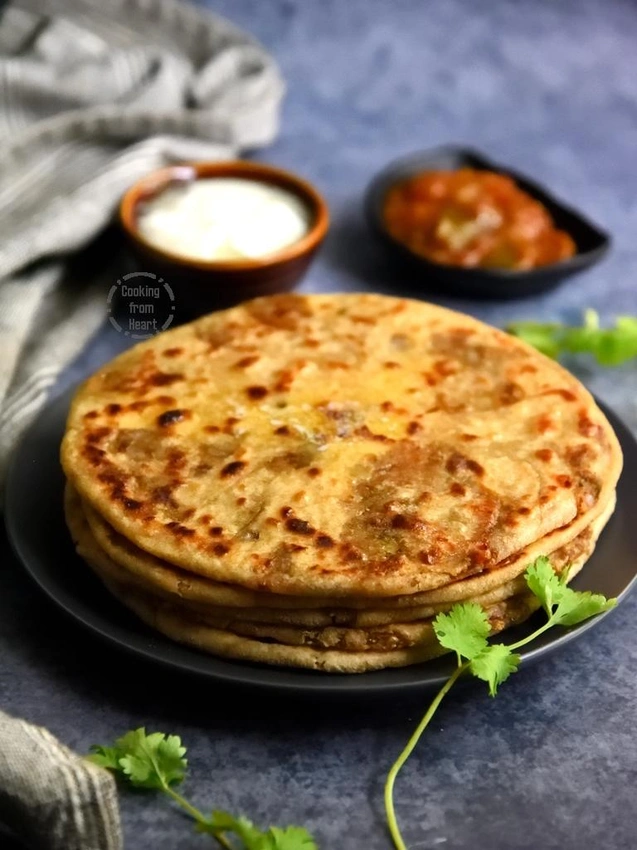
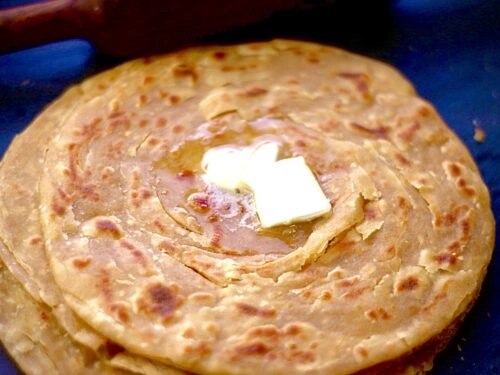
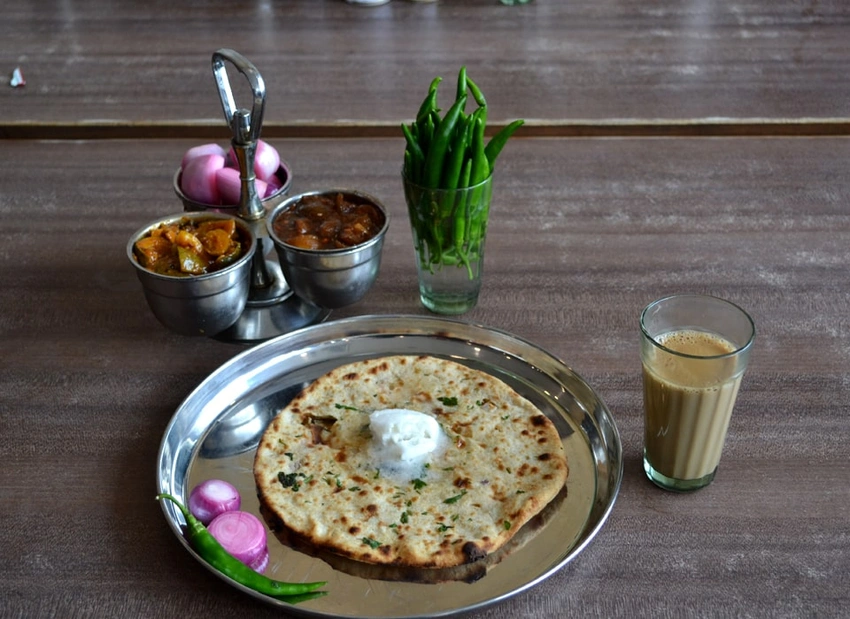
"Chalo aaj Murthal chalte hai Amrik Sukhdev ke parathe khane." You have probably heard this line more than once if you live in Delhi-NCR. Many people's spontaneous late-night drive to Murthal, Haryana, to sample the parathas at the famous Amrik Sukhdev begins as a friendly suggestion.
The eatery on NH-44 has evolved into more than just a place to get food. It gives the area a certain identity. Amrik Sukhdev has become a popular destination for people of all ages over the years. Thousands of people pass through its spacious, well-lit hallways each day to savor its parathas and other delicacies. Furthermore, it extends beyond the daytime population. The restaurant is packed with patrons even at night.
It should come as no surprise that the restaurant makes a ton of money given the type of customers it attracts. However, a lot of people might not be aware that Amrik Sukhdev started out as a tiny roadside dhaba. Rocky Saggoo Capital, an Instagram creator who shares business and real estate-related content, recently shared a video detailing Amrik Sukhdev's journey. He discussed the well-known restaurant's business plan and presented some eye-catching figures.
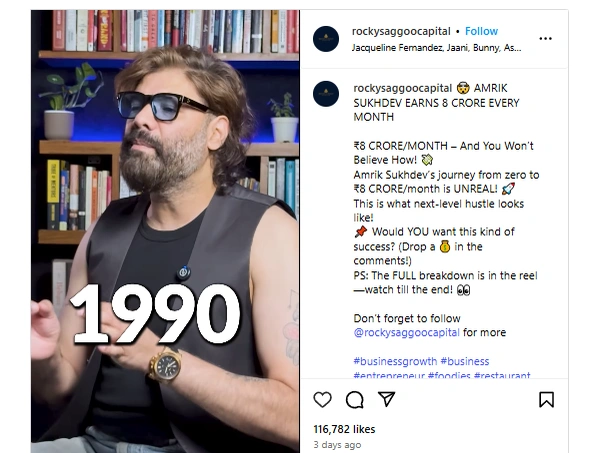
He claims, "The restaurant's current yearly revenue is almost Rs 100 crore".
According to him, Amrik Sukhdev serves between 5,000 and 10,000 clients every day. They have a team of almost 500 workers to deal with this.
Rocky also researched the location's past. He stated that Sardar Prakash Singh opened a modest dhaba in Murthal in 1956. Back then, simple meals like dal, roti, sabzi, and chawal were served in a tent. Truck drivers who passed by the highway were the primary audience for the food. They would eat outside while perched on cots, or charpais.
Amrik and Sukhdev, his sons, joined the company in 1990. They decided to move the restaurant forward with a more planned approach and started working with their father. The menu grew over time. To reach a larger clientele, the restaurant now offers South Indian cuisine in addition to North Indian fare. Rocky identified three crucial elements that aided Amrik Sukhdev's development over time in his video.
The first was how the proprietors gained the confidence of their first clients. In the past, they provided truck and taxi drivers with free or heavily discounted meals. This contributed to the development of a devoted clientele that eventually became frequent visitors.
Rocky mentioned that the family's taste is the second factor. The proprietors still taste every new dish before adding it to the menu. This procedure demonstrates their ongoing commitment to preserving the quality of the food.
Rocky defined "speed and scale" as the third point. With about 150 tables, the restaurant can serve each patron in about 45 minutes. This enables them to provide daily service to almost 9,000 clients. Despite its success, the company never prioritized advertising. Rather, word-of-mouth was the main way it spread.
In addition to being a global favorite, Amrik Sukhdev is also an icon in India. It was listed among the "100 Most Iconic Restaurants in the World" by TasteAtlas in January of this year.
