Merz: I wouldn't advise my children to move to the US today

Merz: I wouldn't advise my children to move to the US today
German Chancellor Friedrich Merz cautions against sending his children to the U.S. amid a shifting social climate and tense transatlantic ties.
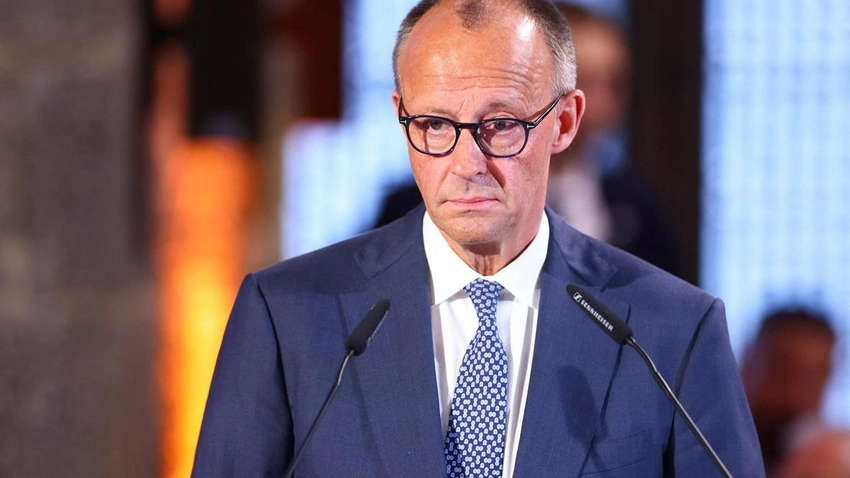
German Chancellor Friedrich Merz paused to speak at a Catholic convention in Würzburg, delivering a blunt assessment of current conditions in the United States. He said he would not advise his children to move to the U.S. today to study or work, citing a rapidly changing social climate and what he described as limited opportunities for the highly educated. Merz, who took office in 2025 as a self-described transatlanticist, has since voiced criticism of the United States’ direction amid a backdrop of strained transatlantic relations and a series of disagreements on trade, the wars in Ukraine and Iran, and recent NATO-related tensions.
“Today, the best-educated people in America have great difficulty finding a job,” Merz told a young audience, underscoring his belief that the U.S. climate has shifted in ways that reduce opportunities for ambitious professionals. He added a personal stance that reflected his enduring pride in Germany’s opportunities. “I firmly believe that there are few countries in the world that offer such great opportunities, especially for young people, as Germany,” he said, arguing that Germany remains an attractive option for career growth and education.
The remarks come as Europe watches the U.S. grapple with policy shifts under President Trump, including a troop withdrawal from Germany and tariff actions in the car sector, all of which have complicated the traditional transatlantic alliance. Merz referenced these broader tensions while reiterating his commitment to strong, cooperative ties with the United States—despite his reservations about the current environment. He also pointed to ongoing debates over Iran and other security challenges that have put the NATO alliance under strain.
While maintaining his admiration for America, Merz drew a clear line between the past and the present, signaling a more cautious stance on whether the U.S. remains the universal land of opportunity for young Germans. He emphasized Germany’s own capabilities and opportunities for the next generation, urging optimism about the country’s future prospects and the potential for continued collaboration with the United States under evolving circumstances.
