Canada’s curling cheating row shakes the Winter Olympics

Canada’s curling cheating row shakes the Winter Olympics
Tense ice exchanges and cheating accusations put Canada’s curling power under scrutiny amid calls for sportsmanship and rule clarity at the 2026 Games.
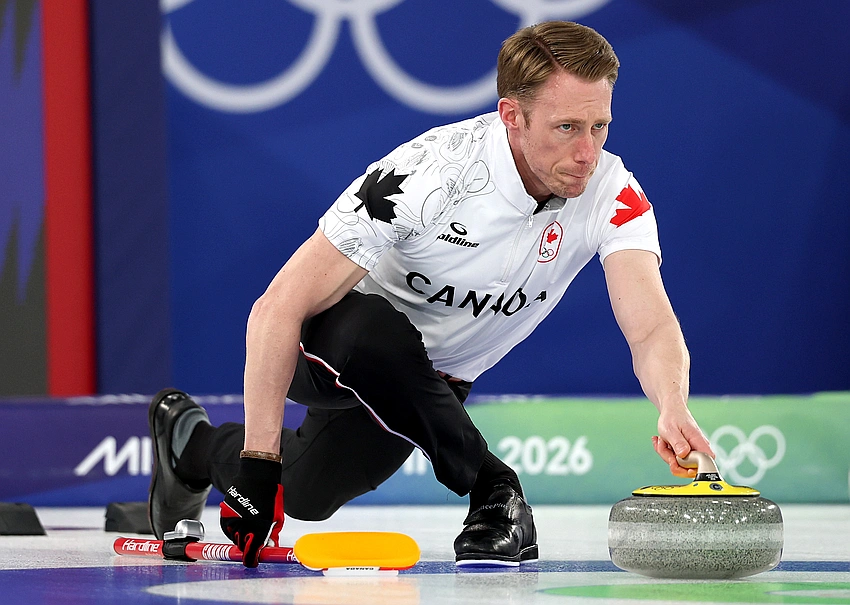
Ice sparkled in Cortina as curling headlines spiraled into controversy. Both Canada’s men’s and women’s teams faced accusations of double-touching a stone during Olympic play, a move that could tilt results in a sport built on precision and honor. The friction escalated when star player Marc Kennedy used strong language after Sweden’s Oskar Eriksson claimed he had been cheated, later comments hinting at a perceived plot against the Canadian squad. The next day, Canada’s women’s captain Rachel Holman was also linked to the same move, though both teams have publicly denied any wrongdoing. Fans and commentators quickly debated not just the incident but the broader implications for curling’s integrity on the Olympic stage.
The controversy isn’t just about a single moment on the ice. It has touched a nerve in a country long seen as the gold standard in curling, prompting questions about whether the sport’s rules and their enforcement are clear enough. Some observers emphasized the importance of owning up to mistakes in the spirit of fair play, while others argued that the heat of Olympic competition can push athletes to push the boundaries. An influential opinion piece in a major publication captured the mood in Canada, urging competitors to focus on the bigger picture and to prove their character even amid intense pressure.
As the rounds continued, discussions ranged from the specifics of double-touching to broader questions about whether curling might benefit from additional officiating tools or a formal review system akin to video review in other sports. The idea of technology helping referees call nuanced infractions has been floated in some circles, highlighting a push for greater clarity rather than punishment. For fans, the episode has been a test of loyalty and judgment—watching the sport’s traditional emphasis on precision and decorum face scrutiny when high-stakes games spark heated exchanges on and off the ice.
Looking ahead, analysts expect a careful, rules-focused response from organizers and players alike. Expect further debate about how rulings are communicated, how potential infractions are reviewed, and how teams rebuild trust after a moment that captivated and divided audiences. If there is a silver lining, it’s that the sharp attention could drive a clearer standard for sportsmanship in curling, helping the sport preserve its celebrated heritage while remaining rigorous in its competitive demands.
