The Romanticisation of Sadness: Why Melancholy Became an Aesthetic
The Romanticisation of Sadness: Why Melancholy Became an Aesthetic
The Romanticisation of Sadness: Why Melancholy Became an Aesthetic
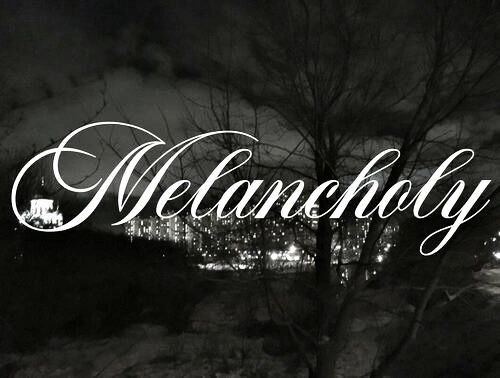
There's something really strangely beautiful about sadness in today's world. It's all quiet, cinematic, and painfully poetic. It's like you see it everywhere: in the dim glow of fairy lights in a lonely bedroom, the soft splattering of raindrops on a cloudy day while sitting near the windowside, those 'sad autumn girl' playlists, and so much more.
And somewhere between all this heartbreak and healing, sadness became sort of an aesthetic trend. It turned from something to escape, to something to curate. And that's beautiful. It's not something that just hurts, but looks beautiful while it does.
This is not new, this fascination with sadness. The “tragic muse” has existed in art for centuries: from Shakespeare’s Ophelia to Sylvia Plath’s poetry, to the blue tones of Van Gogh’s canvases. But the digital age reinvented it.
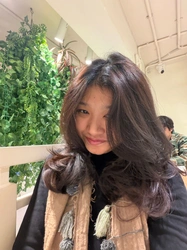
On TikTok and Instagram, sadness isn’t chaos anymore, it’s curated. It’s the quiet sigh after a fight, the aesthetic crying selfie, the captions that read “just tired” under a perfectly lit photo. Pain, which was once private, now lives inside stories, reels, and VSCO filters, and it's so sad knowing that.
The so-called rise of the “sad girl aesthetic” gave melancholy a face: soft, poetic, fragile, and misunderstood.
From Lana Del Rey’s wistful lyrics to Phoebe Bridgers’ white skeleton suit, there’s a tenderness in their heartbreak that feels real yet so much more romanticised.
It’s not just music, either. It’s how we speak. The “I’m just a little tired” texts. The Pinterest boards named “romanticising loneliness.” The casual confession culture that makes sadness sound cinematic.
But it’s worth asking: are we expressing our pain, or performing it?
Cause it seems like it.
The truth is, sadness performs well.
Emotion drives engagement, and engagement drives visibility. Platforms reward intensity, anger, heartbreak, nostalgia. If you’ve ever lingered on a melancholic video, the algorithm learns your mood and feeds you more of it.
What we see then is not real life, but a loop: a carefully curated world where everyone is quietly sad in beautiful lighting.
But real sadness isn’t cinematic. It’s ugly crying in the bathroom. It’s unread messages. It’s the silence after a fight that lingers too long. The internet doesn’t show that. It shows only the sadness that fits the frame.
Still, there’s a reason people keep posting. Because behind every “sad aesthetic” post is a need for empathy for someone to see and say, I get it.
The internet can be cruel, but it’s also a strange kind of support group. Millions of people connect over loneliness, heartbreak, and existential dread.
In a society obsessed with productivity and constant positivity, sadness has become a rebellion. It’s the one emotion that still feels real.
So maybe the romanticization of sadness isn’t just vanity. Maybe it’s resistance, a quiet protest against a world that tells us to smile through everything.
Maybe the answer isn’t to stop romanticising sadness altogether, but to find balance. To let emotions exist without turning them into performances.
It’s okay to find beauty in heartbreak, but it’s also okay to be messy. To cry without filters. To write without making it poetic. To be sad without trying to make it relatable.
Because the truth is: sadness doesn’t need to be romantic to be real. It just needs to be felt.
Sadness will always have a strange beauty to it: the kind that makes us slow down, look inward, and feel deeply. But it’s time to stop packaging it.
Let sadness be what it is: an emotion, not an aesthetic.
The prettiest sadness is the one that heals you quietly, not the one that performs for the algorithm. It's the kind that helps you understand yourself, not the one that makes you relatable online.
