Fed Keeps Rates Steady as Inflation Risks Loom Over Energy Prices

Fed Keeps Rates Steady as Inflation Risks Loom Over Energy Prices
The Fed holds the line on rates amid inflation risk and rising energy costs tied to global tensions, with policy data next in focus.
The Federal Reserve kept the federal funds rate in the 3.5% to 3.75% range, signaling no hurry to shift policy while inflation risks stay on the horizon. The decision underscores the central bank’s wait-and-see stance as markets weigh how higher energy prices and ongoing global tensions could influence prices at home. The committee noted that upside risks to inflation persist in light of rising energy costs and broader geopolitical uncertainty, a reminder that the path back to inflation target remains data dependent.
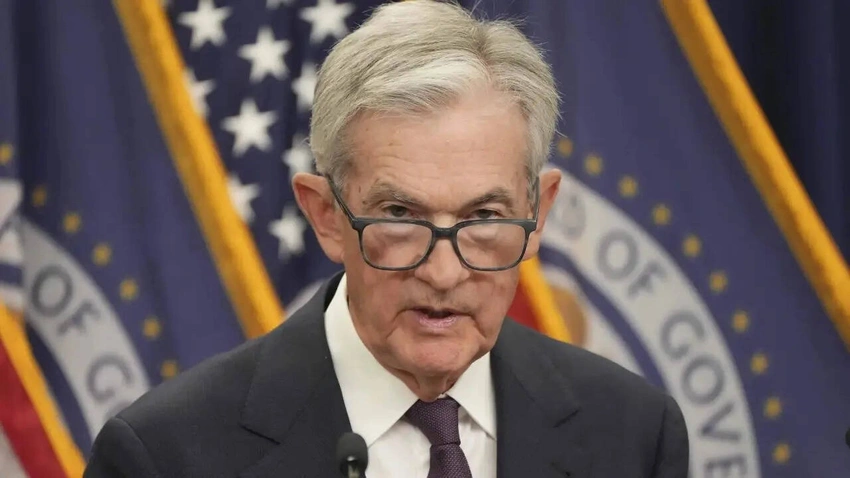
Chair Jerome Powell-led policymakers said they will continue to monitor incoming data and adjust if necessary, but for now they intend to hold policy steady as the economy shows resilience. The vote signals that while the economy has shown strength, the central bank remains vigilant about how price pressures could re-emerge if energy costs stay elevated or new supply shocks arise.
For households and borrowers, the hold could mean mortgage rates, auto loans, and credit card costs stay near current levels for a while, while savers may see only modest improvements in deposit returns. Markets will be watching how the Fed weighs the next wave of inflation signals against any cooling in goods prices and services.
Analysts expect the Fed to stay data-driven, with policy makers prepared to adjust if inflation slows toward target or if energy-driven price pressures intensify. Any shift in the trajectory would likely hinge on new inflation readings, labor market data, and the trajectory of energy prices tied to global events.
In the coming weeks and months, investors and borrowers will be listening closely for signals about the Fed’s pace of policy moves. If energy prices ease and inflation continues to drift toward target, a more gradual path could emerge; if pressures reassert, further tightening could be on the table. Until then, the rate hold keeps financing costs elevated but steady, as the economy navigates a landscape shaped by energy costs and geopolitical dynamics.
