Atlantic's New Voices: Shaping Tomorrow's Stories

Atlantic's New Voices: Shaping Tomorrow's Stories
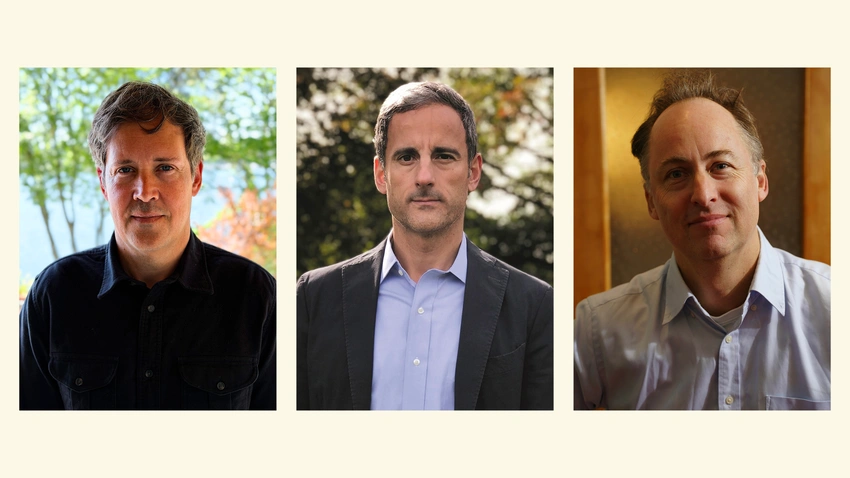
The Atlantic welcomes Joshua Partlow, Ariel Sabar, and Sebastian Smee to its staff. What does this mean for investigative reporting and cultural commentary? Let's discuss.
The Atlantic's Strategic Play: New Voices, New Narratives
The media landscape is constantly shifting, and it’s fascinating to observe the strategic moves that define tomorrow's storytelling. When a venerable institution like The Atlantic brings on board talents such as Joshua Partlow, Ariel Sabar, and Sebastian Smee, it’s more than just a staffing update; it’s a clear signal about who they believe will shape the critical narratives of our time.
Think about it: in an an era saturated with information, genuine insight and compelling storytelling become priceless. The addition of Partlow, Sabar, and Smee suggests a commitment to precisely that. We're talking about journalists who have honed their craft in various complex arenas, known for their ability to delve beyond headlines and reveal the deeper currents of culture, politics, and the human condition.
What does it mean to have Joshua Partlow join the ranks?
It signals a serious investment in robust, impactful reporting, likely in areas demanding deep investigative prowess and a nuanced understanding of global events. Then there's Ariel Sabar, whose work often explores intriguing cultural touchpoints and untold stories, promising a continued emphasis on narrative excellence that challenges and engages readers on a profoundly human level.
And with Sebastian Smee, we anticipate an enrichment of critical commentary, particularly within the arts and culture - an area where discerning, authoritative voices are more important than ever. His perspective, alongside those of Partlow and Sabar, collectively promises a broader, more sophisticated exploration of the world we live in.
These aren't just new names on a masthead. They represent a significant infusion of journalistic muscle and intellectual curiosity. It's about securing voices that can cut through the noise, offering context, analysis, and perspective that a well-informed public craves.
For The Atlantic, this move reinforces its position as a home for serious thought and literary journalism.
For the wider field, these hires are an optimistic indicator.
They highlight that despite economic pressures and the rapid evolution of digital platforms, there is still immense value, and investment, in high-quality, long-form journalism. It's a testament to the idea that thoughtful exploration, deep dives into complex subjects, and powerful narrative construction will always find an audience.
So, who's truly shaping the narrative in the years to come? It's the institutions willing to back formidable talent, empowering writers like Joshua Partlow, Ariel Sabar, and Sebastian Smee to do their best work. It's about understanding that the future of journalism isn't just about new technologies, but fundamentally about the enduring power of human stories told with precision, empathy, and unflinching intellectual rigor.
This is a moment that reminds us why places like The Atlantic matter, and why we should be excited about the stories yet to be told.
