Karex to raise condom prices up to 30% amid Iran war disruption

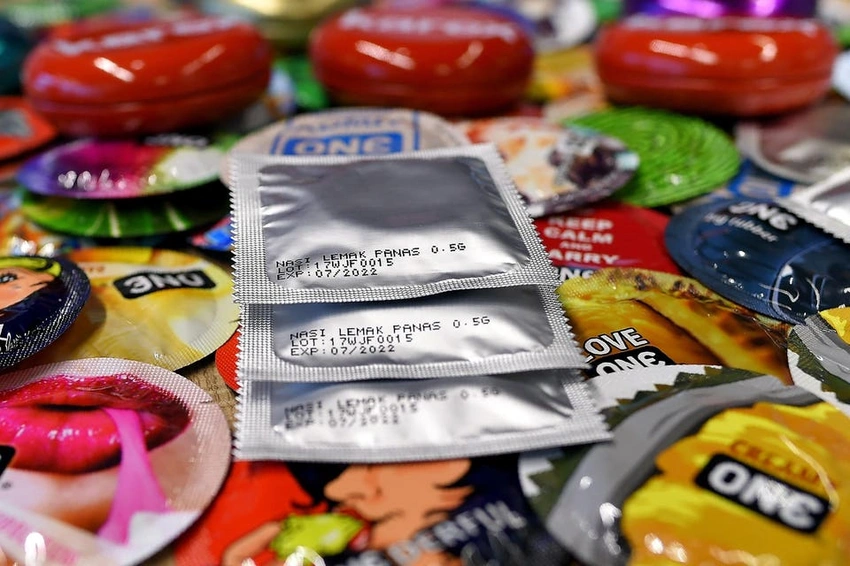
Karex to raise condom prices up to 30% amid Iran war disruption
Malaysia-based Karex, the world's largest condom maker, says Iran-war-driven supply disruptions could lift raw-material costs and push condom prices up to 30%.
Karex, the Malaysia-based company that makes more than five billion condoms a year and supplies brands like Durex and Trojan, says it may raise prices by up to 30% or more if the Iran war continues to disrupt the raw-material supplies used in its products. The company's chief executive Goh Miah Kiat told media outlets that production costs have risen sharply since the conflict began, with Karex relying on materials derived from oil, including ammonia used to preserve latex and silicone-based lubricants. Demand for condoms has risen by about 30% this year, pushed by tighter freight capacity and shipping delays that have added to costs.
Karex's customers include leading brands and health systems like the NHS in the UK, illustrating how a price shift could ripple through both consumer and public sectors. "In bad times, the need to use condoms is even more because you're uncertain with your future, whether you'd still have a job next year," the executive noted, adding, "If you have a baby right now, you'll have one more mouth to feed." The remarks come as the wider Iran conflict has unsettled energy markets and disrupted shipping routes through the Strait of Hormuz, a key artery for crude oil and LNG. The resulting rise in petroleum products fuels higher freight costs and longer delivery times across global supply chains, complicating procurement of raw materials for manufacturers like Karex.
Analysts say the situation underscores how geopolitical events can filter into everyday consumer goods, even items as routine as condoms. The price pressures come at a time when global demand for safe-sex products remains strong, and Karex says it will continue to monitor supply conditions closely. The company declined to comment on specific pricing strategies beyond the potential increases and stressed its commitment to meeting contract obligations with major brands and health systems. The broader energy shock also touches other sectors; even travel costs have climbed, with new research showing average air fares edging higher as the war persists, further feeding into the cost of doing business for manufacturers and logistics providers alike.
