Rishi Kapoor’s Parenting Secret: When to Let Go & Trust Your Kids

Rishi Kapoor’s Parenting Secret: When to Let Go & Trust Your Kids
Explore the delicate balance between parental protection and fostering independence. Riddhima Kapoor shares how Rishi Kapoor trusted her to find her way, offering insights for parents and young adults alike.
There’s a universal parenting tightrope walk: how much to protect, and when to let go? This isn’t just about big decisions; it’s about fostering independence, trusting your child to navigate their own path, and knowing when to step back.
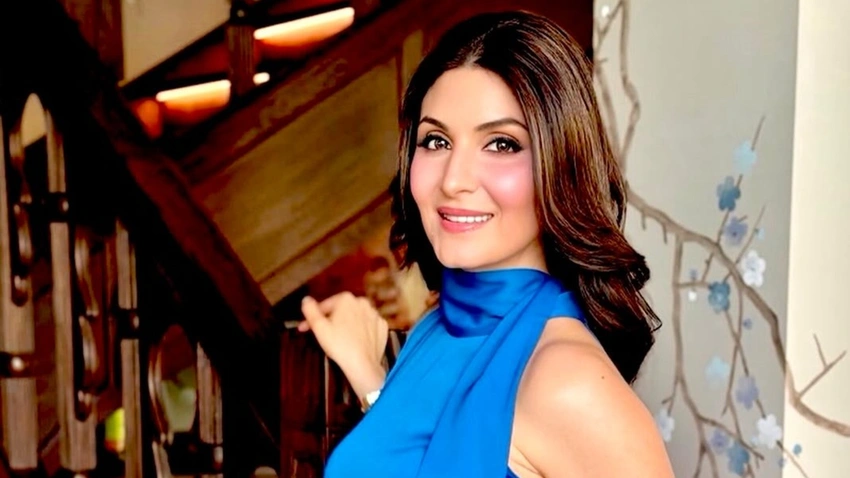
Take Riddhima Kapoor's experience with her father, the late Rishi Kapoor. Many assumed he was strict, that he wouldn't let his children pursue certain careers, particularly in films. But Riddhima offered a different perspective.
While he was undoubtedly protective, his approach wasn't about stifling ambition; it was about trust.
She vividly recalls the moment she wanted to move to the UK for higher studies.
She was only 16 or 17, and her father was understandably stressed. 'He was very stressed about the idea of his daughter going to the UK alone, living alone, and wondering how it would work out,' she shared. 'He paced up and down for half an hour, just thinking and thinking.' Yet, despite his visible anxiety, he made a pivotal choice: 'He let me go.'
It was an act of faith. Rishi Kapoor's words to his daughter echo a profound understanding of parenting: 'You do what you like, and I know you'll give it your 100 per cent in whatever you do.' He was confident in her capability and commitment.
Riddhima herself believes that had she expressed a desire to enter films, he wouldn't have stopped her, but rather 'would have been right there, guiding me.' This highlights a crucial distinction between control and guidance.
So, where is that line? Counselling psychologist Athul Raj offers a brilliant lens: 'The difference often lies in whether a parent's response is driven by the child's growth or by the parent's anxiety.' Concern is a natural, healthy parental emotion. It's normal to worry when a young person chooses an uncertain path.
The real challenge arises, as Raj points out, 'when fear starts making decisions on the young person's behalf.' In many families, particularly in cultural contexts like India, love is often expressed through protection.
Parents inherently want to shield their children from disappointment, failure, or hardship.
It's a primal instinct.
However, as Raj wisely observes, 'Adulthood is not built through protection alone.'
For young adults seeking freedom, it's about consistently demonstrating responsibility and capability. It's about earning that trust through actions, much like Rishi Kapoor trusted Riddhima to give her '100 per cent.' This doesn't mean parents abdicate responsibility; it means shifting from a role of direct control to one of mentorship and support.
Providing a safe space for young adults to make their own choices, experience consequences, and learn from them is paramount. When parents allow for calculated risks, they empower their children to develop resilience and self-reliance, the very cornerstones of independent adulthood.
Ultimately, the journey of letting go is a dance between parental wisdom and a young adult’s emerging autonomy.
It’s about understanding that true love isn’t always about keeping safe, but about enabling flight.
