From Wedding Wishes to Gender Woes: Are Social Media Reveals Too Much?

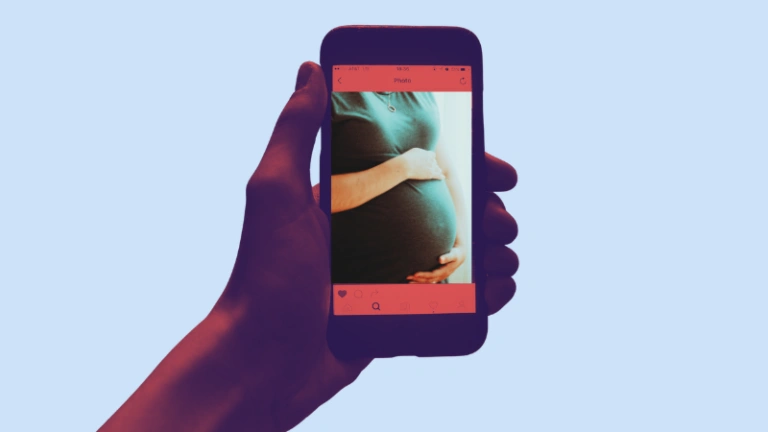
From Wedding Wishes to Gender Woes: Are Social Media Reveals Too Much?
Social media has turned intimate life events into public spectacles. Are we sacrificing genuine connection for viral moments? Let's talk about the big reveal obsession.
The Big Reveal: Where Do We Draw the Line?
For well over a century, families have posed for photos, capturing life's moments. But the highly stylized “big reveal” culture surrounding conception, gestation, and birth—think elaborate pregnancy announcements, “bump” portraiture, and over-the-top gender reveals—is undeniably a product of the social media age. These aren't just photos; they're visual conventions born with the scroll.
It’s fascinating to consider how much our public perception of private milestones has shifted. Not so long ago, publicly showcasing a pregnancy, let alone a gender, was practically unheard of. Historically, high rates of pregnancy loss and infant mortality meant grief was often too close to reproduction for public celebration. There was simply too much risk involved to turn such a vulnerable time into a spectacle. Society also dictated a strict boundary between public and private life, especially concerning women’s bodies. Pregnancy was often “shrouded behind modest, tentlike maternity wear,” with women’s bodies seen as belonging to husbands, and family respectability hinging on that privacy.
Things began to change in the early ‘90s. When Demi Moore appeared naked and seven months pregnant on the cover of Vanity Fair in 1991, it sent shockwaves. Many newsstands censored the issue, treating it like pornography. The public simply wasn't ready. Yet, that iconic image cracked open the door, utterly transforming representations of pregnant bodies in the following decades. Pregnancy moved from a private experience to a public display—an opportunity to showcase everything from physical fitness to wealth.
Fast forward to today, and social media has amplified this shift exponentially. What was once a personal announcement to close family and friends is now a carefully curated, often high-budget production for a global audience. The pressure to create the most viral wedding entry, the most surprising proposal, or the most imaginative gender reveal is immense. Are we celebrating these moments, or are we performing them? Are these “big reveals” about genuine joy, or about racking up likes and shares?
This isn't to say there's no joy in sharing. Many people genuinely love seeing these moments unfold online. But we have to ask: at what cost? When personal milestones become content for public consumption, do we lose some of their intimate magic? Does the quest for a viral moment sometimes overshadow the profound significance of the event itself? We're at a point where the line between celebrating and oversharing has blurred considerably. It’s time we thoughtfully considered if our obsession with the “big reveal” is truly serving our connections, or just feeding the algorithm.
