Omar Abdullah Defends Merit-Based Admissions at Mata Vaishno Devi University

Omar Abdullah Defends Merit-Based Admissions at Mata Vaishno Devi University
J&K CM Omar Abdullah argues admissions must be based on merit at SMVDU amid calls for faith-based seats; BJP objects as the row intensifies over 50 MBBS seats.
A row over MBBS admissions at Shri Mata Vaishno Devi University in Katra has intensified, with Hindu groups protesting calls for religion-based reservations while supporters press for merit-based admission. This year, 42 of the 50 MBBS seats were filled by Muslim students, a figure that has sparked a broader debate about how public institutions should select their students. The conversation has drawn in political leaders and raised questions about secular principles in public education.
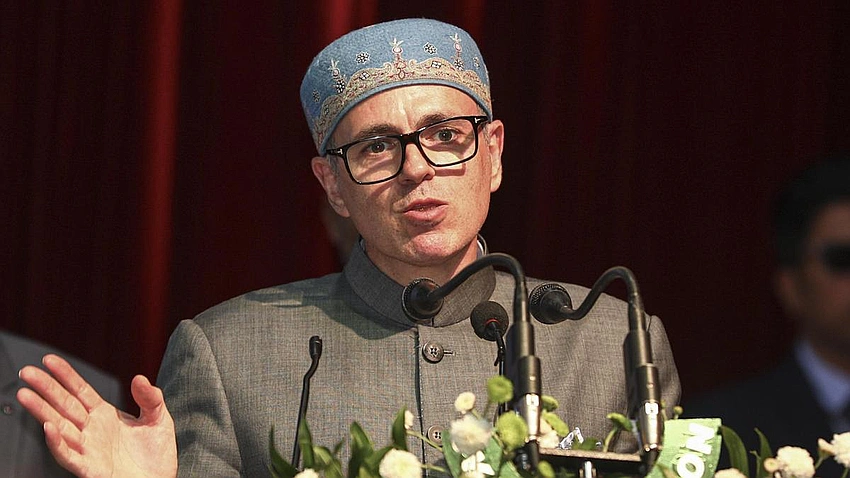
Jammu and Kashmir Chief Minister Omar Abdullah stepped into the fray to defend a merit-based system, emphasizing that admissions should be determined by merit alone and not by religion. He argued that the law governing Mata Vaishno Devi University does not restrict admissions to any single religious group and that attempting to alter admission criteria to accommodate faith could set a dangerous precedent for other public services. Abdullah also suggested that any move away from merit would require judicial intervention, asserting that “admission cannot be granted without merit” and that introducing religion into admissions would contravene constitutional provisions.
The opposition BJP has raised objections, submitting a memorandum to the Lieutenant Governor asking for the scrapping of this year’s MBBS list and proposing seating reservations based on Hindu considerations, citing donor contributions as a potential basis for such a carve-out. Abdullah countered that the narrative of religion-based admissions is an attempt to move away from constitutional principles and warned that even discussing religious reservations in public institutions could undermine equal- opportunity guarantees.
Observers say the debate touches on broader issues of secularism, constitutional guarantees, and the role of merit in public education. While supporters argue that a merit-based system preserves standards and inclusivity, critics worry about potential sectarian divisions and the eroding of non-religious access to higher education. The outcome could influence how future admissions are handled across public universities in the region and potentially shape debates on social welfare and governance beyond education.
Cover image source: MBBS list row: Admissions should be based on merit, not religion, says J&K CM 🔗
