Garden Without the Ouch: 5 Smart Hacks for Pain-Free Growing!


Garden Without the Ouch: 5 Smart Hacks for Pain-Free Growing!
Love gardening but hate the aches? Discover 5 game-changing ergonomic hacks to make your garden accessible and enjoyable at any age. Say goodbye to back pain and hello to thriving plants!
Gardening, for many, is a profound connection to nature, a source of peace, and a rewarding hobby. But let's be real: bending, kneeling, and lifting can quickly turn that joy into a pain in the back—quite literally! The good news? You don't have to give up your passion as you get older or if you have physical limitations. With a few ergonomic adjustments, you can cultivate your green thumb without the strain.
It's time to rethink how we approach our garden spaces, focusing on longevity and accessibility. Instead of fighting your body, let your garden work with you. Here are five practical hacks to keep you growing comfortably for years to come.
1. Elevate Your Efforts with Raised Beds
Imagine weeding without hunching over! Raised garden beds are a game-changer. By bringing the soil level up, you reduce the need to bend, kneel, or squat excessively. They can be built to a comfortable height, often hip or waist level, making planting, tending, and harvesting a breeze. Plus, raised beds offer better drainage, warmer soil earlier in the season, and can help deter some pests. They're a stylish and highly functional addition to any garden, customizable in size, shape, and material to fit your aesthetic.
 2. Embrace Efficiency with Keyhole and Vertical Designs
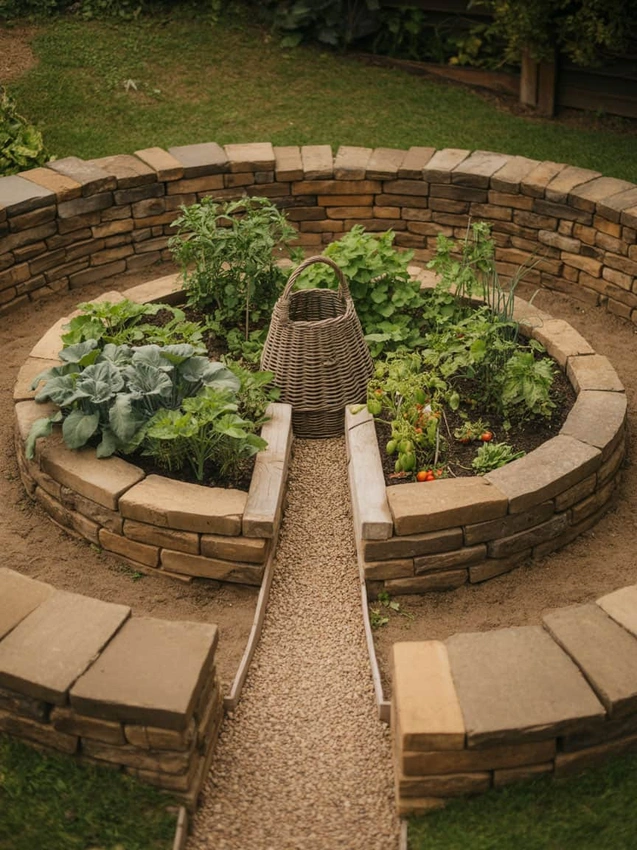
Beyond traditional raised beds, consider the ingenious keyhole garden. Shaped like a keyhole from above, these circular beds have a central composting basket. You feed your kitchen scraps into the basket, which then nourishes the surrounding soil. This design not only recycles organic waste but also means you never have to walk on your planting area, preventing soil compaction and allowing easy access to all plants from one central point. For those with limited space or mobility, vertical gardening systems—from stacked planters to wall-mounted pockets—allow you to grow upward, bringing plants to eye level and reducing floor-level work.
 3. Arm Yourself with Ergonomic Tools
Your tools should be an extension of your body, not a source of pain. Invest in ergonomically designed gardening tools. Look for items with longer handles that reduce bending, cushioned grips that lessen hand fatigue, and lightweight materials. Tools with angled handles or adjustable lengths can make a significant difference. Think about specialized kneeler benches with handles to help you stand up, or rolling garden seats that let you glide along rows without getting up and down repeatedly. A good pair of gardening gloves with ample padding is also a must-have for protecting hands and improving grip.
4. Smart Pathways and Thoughtful Layouts
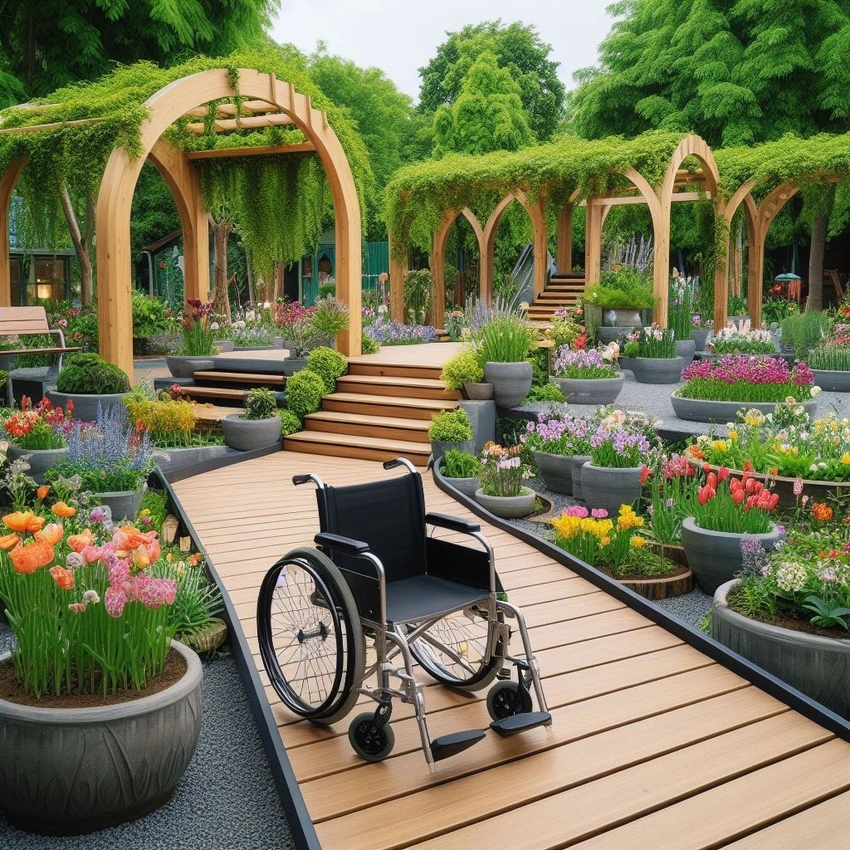
Accessibility in the garden goes beyond just the beds. Plan your garden layout with wide, stable pathways made from materials like pavers, gravel, or wood chips. These prevent slips and allow for easy navigation with a wheelbarrow or garden cart. Arrange your most frequently accessed plants and beds closest to your home or shed. Consider creating 'zones' for different types of plants based on their care requirements, minimizing redundant trips across the garden. Every step saved is a potential ache avoided.
 5. Listen to Your Body: Pace, Stretch, and Hydrate
Even with the best ergonomic setup, mindful gardening practices are crucial. Break tasks into smaller chunks. Instead of trying to weed the entire garden in one go, tackle a section each day. Incorporate gentle stretches before and after gardening—think arm circles, leg swings, and gentle back stretches. Stay hydrated, especially on warm days. As gardening expert Jane Doe once wisely said, “Your garden will forgive you for taking a break, but your body might not if you push too hard.” Remember, gardening is a marathon, not a sprint. Enjoy the process, and your body will thank you.
By implementing these ergonomic hacks, you're not just making your garden more accessible; you're investing in your long-term health and enjoyment. Happy gardening!

Login to comment.
No thots yet. Be the first to share your thoughts!