Trump Eyes Greenland Move: NATO Warns Against Invasion

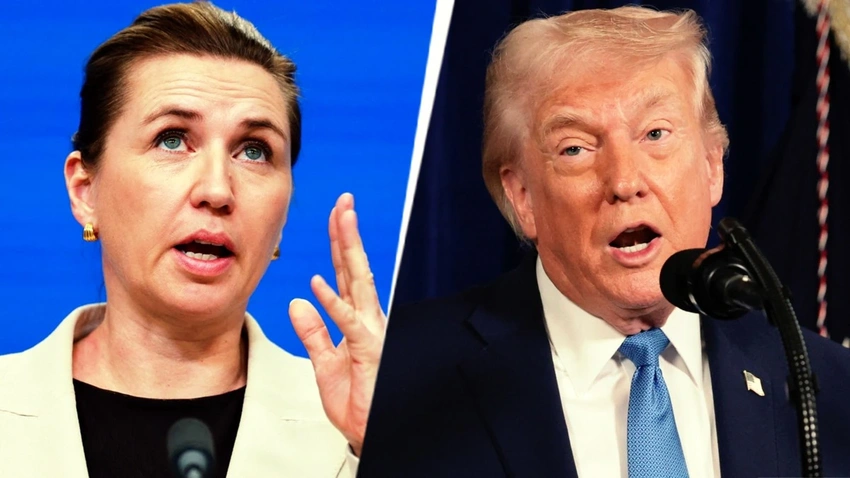
Trump Eyes Greenland Move: NATO Warns Against Invasion
Tensions rise as the U.S. hints at action on Greenland, drawing warnings from Denmark and NATO about stability and alliance commitments in the Arctic.
Tensions are rising over Greenland as the U.S. signals possible action to gain control of the Danish autonomous territory, highlighting the Arctic’s growing strategic importance and the U.S.-Denmark alliance within NATO. The comments have reignited debates about Arctic security and the balance of power in a region where military and diplomatic stakes run high across multiple nations.
In recent statements, the U.S. president suggested that action on Greenland could be taken, noting options that could range from careful diplomacy to more forceful measures. The rhetoric underscores how Greenland’s status matters for national security, trade routes, and regional influence in the Arctic.
Denmark’s Defence Ministry quickly responded with a clear warning: any attempt to invade Greenland would prompt an immediate Danish military reaction. The warning references a Cold War-era directive that still authorizes Danish troops to engage without waiting for higher-level orders if Danish territory is under threat, reinforcing the seriousness with which Copenhagen views any potential escalation.
Denmark’s prime minister further stressed that a unilateral move to seize Greenland would threaten NATO’s unity and the security framework that has underpinned the alliance since World War II. The Arctic would become a flashpoint with consequences extending beyond Denmark and the United States, potentially affecting the stability of the broader transatlantic alliance.
Greenland’s strategic value is underscored by the presence of U.S. defense facilities in the region, including Thule Air Base, a key asset for space operations and missile warning capabilities. The base highlights why Greenland remains a focal point for Arctic defense planning and why alliance leaders fear any destabilizing move could ripple through global security.
Analysts say the current discourse tests the delicate balance between alliance commitments and national interests in a volatile geopolitical climate. The risk of miscalculation or rapid escalation in the Arctic could have far-reaching effects on international law, regional diplomacy, and future security postures. As the parties signal their positions, diplomatic channels are likely to stay open in the hope of steering this episode back toward dialogue and away from confrontation.
Diplomatic engagement and measured rhetoric are expected to define the coming days, with Arctic security and alliance cohesion at the center of the conversation. The situation remains fluid, and observers caution that the most prudent path is one of de-escalation, clear communication, and a renewed focus on peaceful, multilateral solutions to long-standing strategic questions in the region.
