Ebola Crisis in Congo: Experts Warn of 'Wild Meat' Link Amid New Outbreak

Ebola Crisis in Congo: Experts Warn of 'Wild Meat' Link Amid New Outbreak
As a rare Ebola strain spreads in eastern Congo, experts highlight the risks of wild meat consumption and the urgent need for medical breakthroughs in Ituri.
The Democratic Republic of Congo is facing a dual challenge as a rare strain of the Ebola virus, known as Bundibugyo, continues to spread across its eastern provinces. This particular outbreak, centered in the Ituri province, has become so concerning that the head of the World Health Organization recently touched down in the city of Bunia to assess a response that is currently being outpaced by the virus itself.
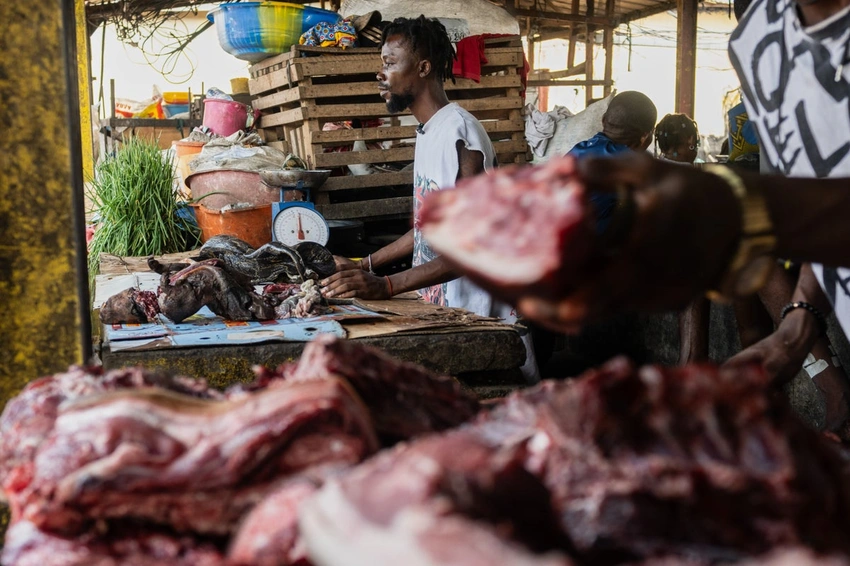
One of the most pressing concerns raised by experts is the historical and cultural link between the virus and the consumption of 'wild meat.' In many parts of Central and West Africa, wild meat—often referred to as bushmeat—is a staple of local diets and a deep-rooted part of the culture. There is no social stigma attached to craving it, yet scientists warn that the handling and eating of these animals remains a primary pathway for the virus to jump from wildlife to humans.
Adding to the gravity of the situation is the nature of the virus itself. While the more common Zaire strain of Ebola now has approved vaccines and treatments, the Bundibugyo strain currently has no approved medical interventions. This leaves health workers in a race against time as they scramble to develop treatments while simultaneously trying to contain the spread in a region where the outbreak is moving faster than the aid.
The visit from the WHO chief underscores the global urgency of the situation. With no easy medical fix available for this specific strain, the focus remains on public health education and identifying early cases to prevent a larger catastrophe.
['#EbolaOutbreak', '#PublicHealth', '#CongoCrisis']
