The Menu By Mark Mylod : Satire with surgical precision

The Menu By Mark Mylod : Satire with surgical precision
The Menu By Mark Mylod : Satire with surgical precision
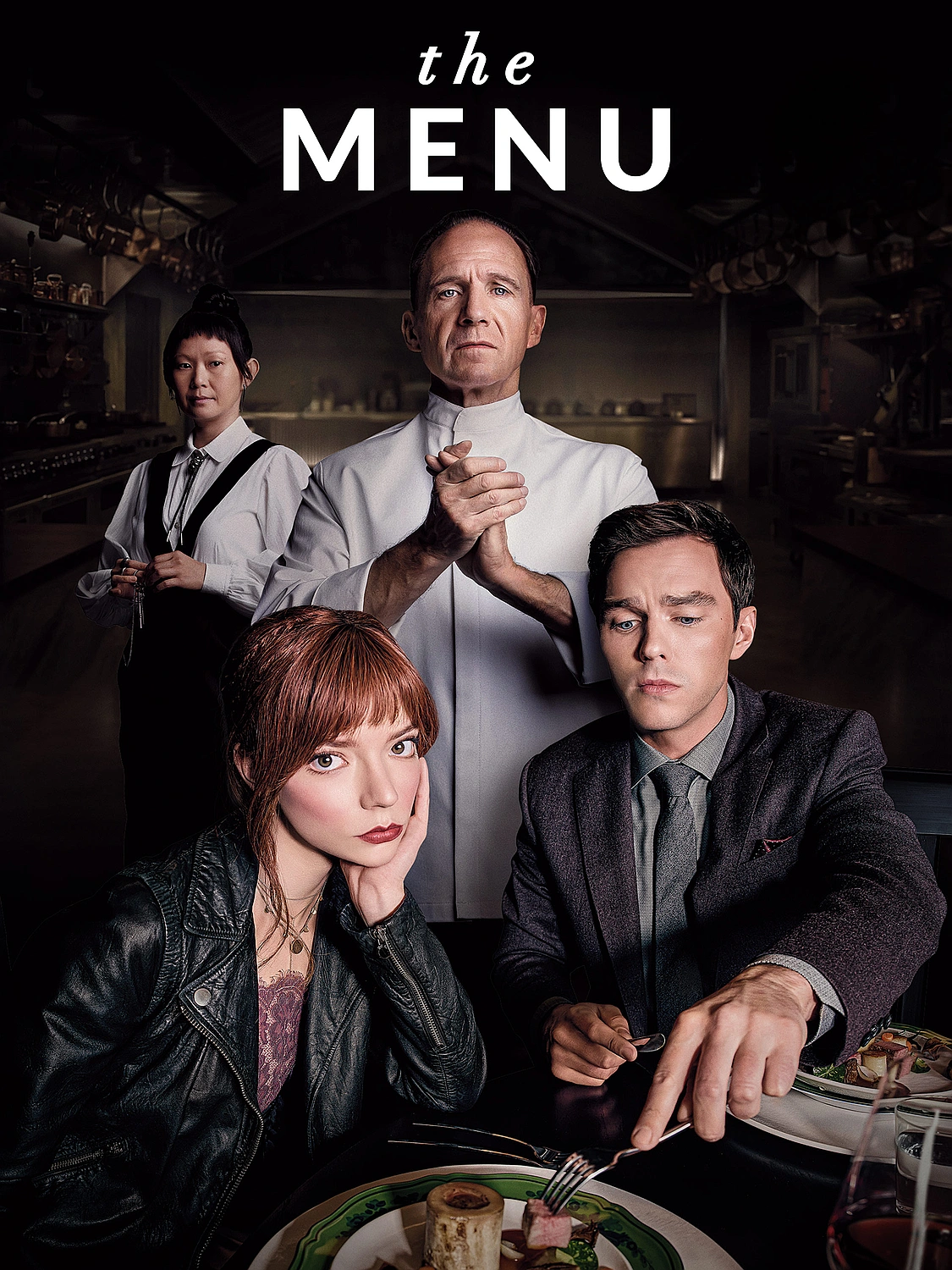
An incisive satire set on a secluded island restaurant, The Menu turns appetite into commentary. Mark Mylod crafts a tense, darkly funny feast led by Fiennes and anchored by Anya Taylor-Joy and Nicholas Hoult.
There’s an appetite for satire in modern cinema that the film serves with surgical precision: a secluded island restaurant, a knife-sharp chef, and a roster of guests for whom consumption is more performance than nourishment. At its core, The Menu sets up an economy of appetite; not only for food, but for attention, status and moral spectacle and then stages how those hungers rupture under pressure.
Craft, cast and culinary authenticity
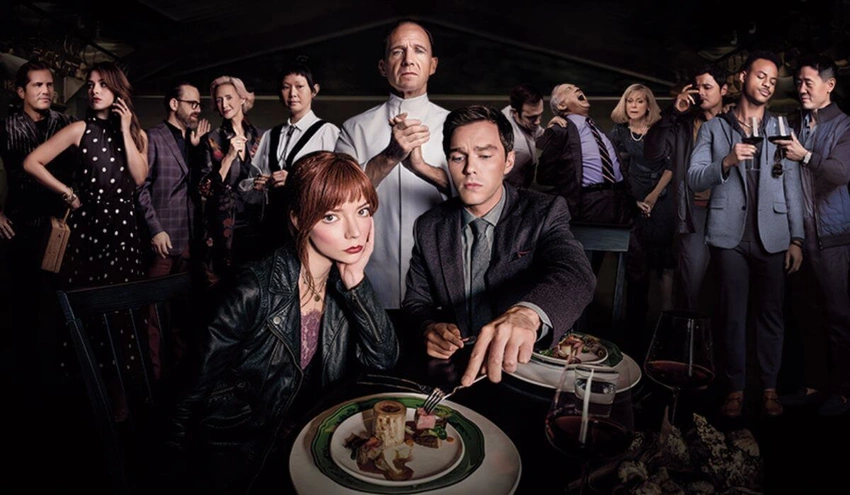
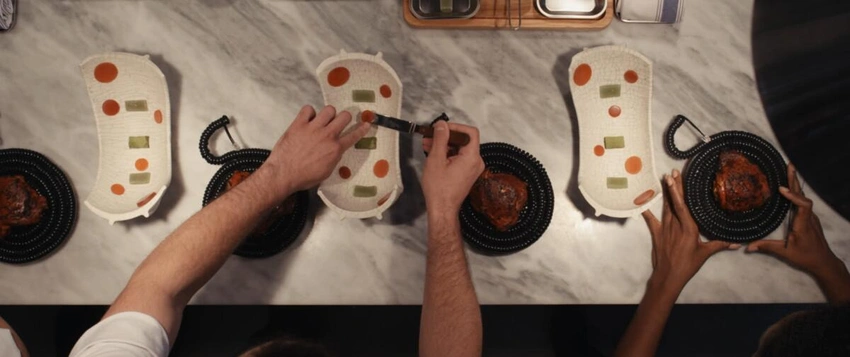
The film’s tight architecture depends on a controlled ensemble and a precise directorial tone. Mark Mylod directs with a steady hand, letting beats of absurdity and violence bloom in slow, delicious increments. The ensemble is anchored by Ralph Fiennes as the inscrutable Chef Slowik, while Anya Taylor-Joy and Nicholas Hoult provide complementary registers of defiance and delusion. The production’s insistence on culinary realism consulting real Michelin-starred chefs and staging actual dishes on camera pays off: food becomes text, each plate a claim about taste, labour and theatricality.
Satire, class and the theatre of taste
What the screenplay does well is make the mechanics of critique feel lived-in rather than didactic. The restaurant is a locus where class anxieties are performed: the privileged guests arrive with combative certainties; the staff carry the knowledge of their craft with brittle pride. The film skewers both the entitled diner and the sanctimonious critic, refusing an easy moral binary. This dual attack on consumerism and cultural gatekeeping, and the tone walks a fine line between black comedy and true menace.
Mise-en-scène and the ethics of spectacle
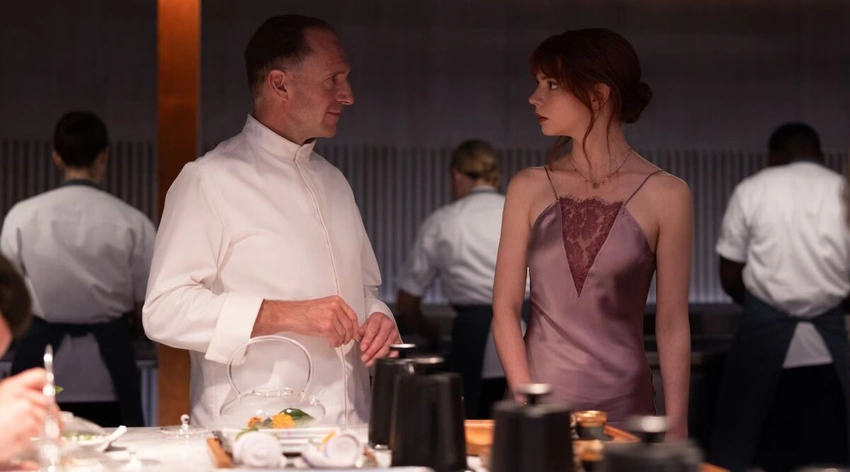
Visually, the film is claustrophobic and ceremonious: long tables, immaculate plating, and a choreography that treats kitchen labour like ritual. The mise-en-scène constantly reminds us that every spectacle requires staging; every moral judgement, an audience. The camera’s patient movements ask us to observe not only the chef’s control but the social scripts that bind the guests. Scenes that might read as pure shock are framed as moral parables not to hand us answers, but to implicate our complicity in looking.
Performance, authenticity, and power
The film’s power lies in how it treats authenticity as both commodity and threat. The chef’s obsessive curation is a critique of culinary celebrity culture: when authenticity is performative, it becomes a performance for others’ status. There’s also a troubling tenderness to the chef’s wrath. The movie understands that punitive theatre can feel, perversely, like the enforcement of meaning. Yet the narrative resists romanticising that wrath by making it grotesque; the film’s moral imagination refuses the easy spectacle of righteous vengeance. Reviews at the time identified the film as a blackly comic condemnation of taste and entitlement, praising its venomous wit while noting the discomfort it intentionally stirs.
Humour and horror in delicate balance
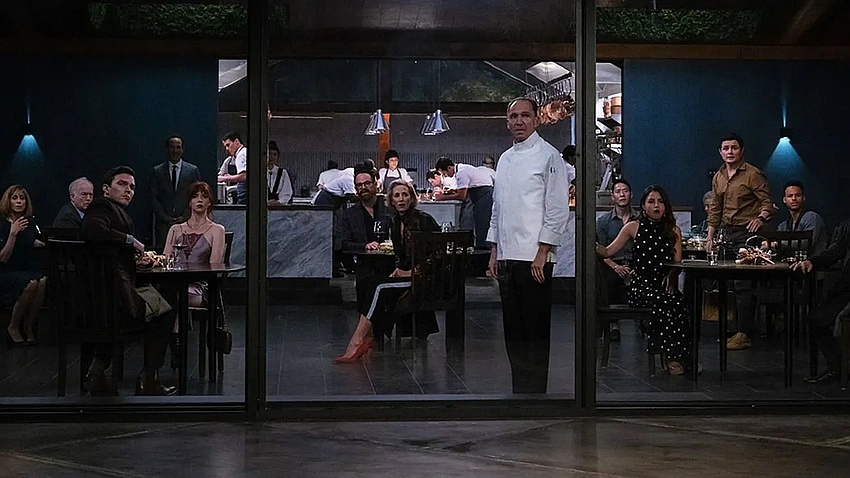
Comedy in The Menu is often acidic rather than comforting; laughs arrive as knives in quick, precise motions, capable of cutting the same way as its more horrific gestures. That tonal oscillation is risky: tilt too far toward horror and the satire collapses into gore; lean too much on farce and the moral bite dulls. The film largely maintains that uneasy equilibrium, inviting us to laugh skeptically and to recoil with recognition when spectacle eats its own tail. Critics’ consensus tended to applaud this balancing act while flagging where the film’s appetite can outrun its argument.
Aftertaste
What lingers is less the set-piece violence and more the film’s diagnosis: that in an attention economy, value is produced by exclusion, by scarcity, and by the elevation of artists into priests. The Menu interrogates who gets to be tasted and who is made to feed the performance, and in doing so it becomes a useful mirror for contemporary cultural industries that medal the rare and police the common.
The film doesn’t offer consolation. Its critique is less a remedy than a provocation: to look, to feel uncomfortable, and perhaps to change the way we value the labour behind what we consume. That unsettled aftertaste is intellectually stimulating and faintly sour which is exactly the point.
#TheMenu #FilmReview #CulinarySatire #SatireFilm #RalphFiennes
