US-Hosted Talks Intensify as Israel-Lebanon Ceasefire Near Expiration

US-Hosted Talks Intensify as Israel-Lebanon Ceasefire Near Expiration
Washington hosts a new round of Israel-Lebanon talks as the ceasefire nears expiration, with the U.S. pushing for an extended truce and a path to a broader deal amid Lebanon's call for a full Israeli withdrawal.
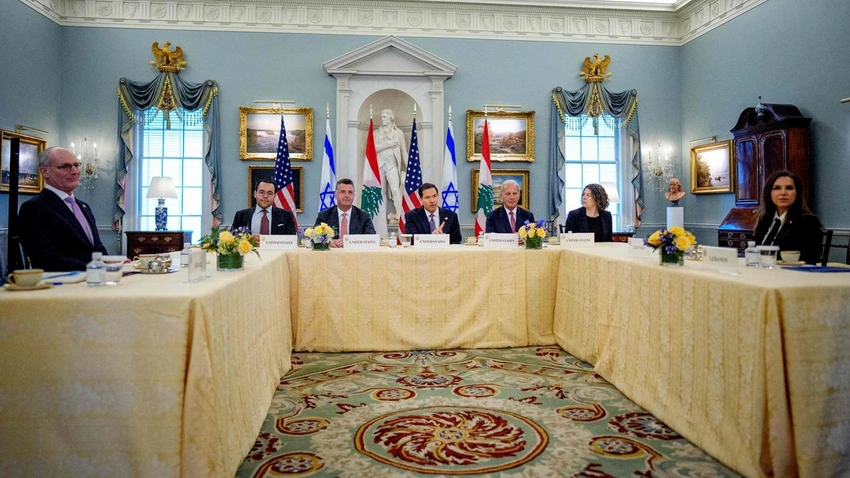
Washington is witness to a new round of talks between Israel and Lebanon as the United States prepares to host ambassador-level discussions, led by the secretary of state. Official briefings say the goal is to extend the recently fragile ceasefire and set out a roadmap toward a broader settlement, even as fighting risks flare if talks stall. The session marks a shift from ad hoc diplomacy toward a more formal process, with Washington signaling patience and pressure in equal measure while regional partners watch closely. The cease-fire, extended for now, provides negotiators with a window to align demands on withdrawal, security arrangements, and border controls before the clock runs out.
Nawaf Salam, Lebanon's prime minister, told regional and international partners that any durable deal would require a full Israeli withdrawal and a clear end to the border 'buffer zone' that Beirut says complicates security. He warned that without such terms, attempts to stabilize the border would be fragile at best. Beirut's demand underscores why a simple renewal of the old truce may not be enough to prevent renewed clashes on the frontier.
Leading the talks, Secretary Rubio and his team are expected to press for verifiable withdrawal steps, demarcation of a safe and neutral border area, and mechanisms to prevent escalations in the coming weeks. The U.S. effort follows earlier rounds in Luxembourg and Washington's preparations, while regional actors signal cautious support if a durable accord can be forged. While a permanent settlement remains unclear, diplomats describe a process aimed at incremental gains rather than a sudden breakthrough.
With the expiration of the current ceasefire looming, negotiators face a delicate balance between maintaining calm and addressing the underlying tensions that have fueled cycles of violence. Humanitarian concerns, civilian safety, and the risk of collateral damage keep pressure on both sides to stay in talks. If the talks in Washington succeed, they could reshape the region's dynamic and reduce the likelihood of renewed hostilities, at least for the near term; if they fail, the region could slide back toward broader fighting.
