Why unbuilt architectural projects matter: memory, imagination, and shaping public space.

Why unbuilt architectural projects matter: memory, imagination, and shaping public space.
Ever wondered why some of the coolest architectural designs never get built? It turns out, paper architecture is the secret engine of urban change.
Have you ever walked through a city and felt like something was missing? Maybe it is a park where a parking lot stands, or a bridge that prioritizes people over cars. We often think of architecture as a finished product, something solid made of concrete and steel. But some of the most influential designs in history have never moved a single grain of dirt.
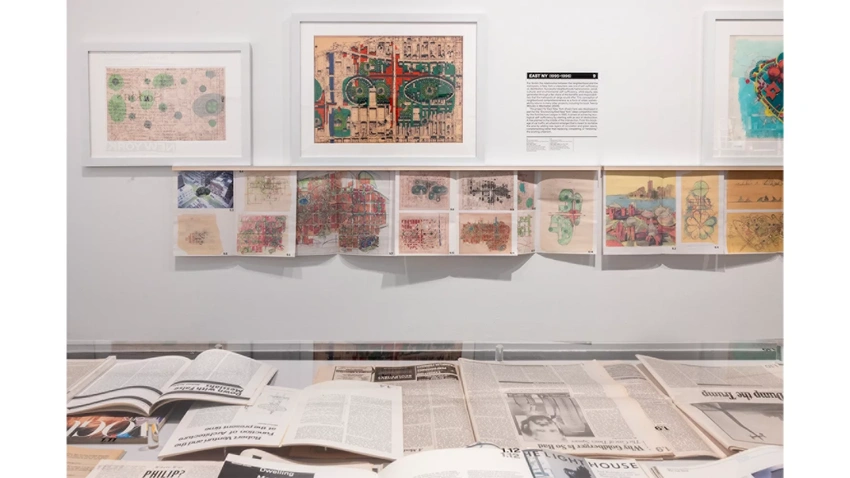
Right now, a retrospective at Columbia University is celebrating the legacy of Michael Sorkin, a man who understood that the unbuilt is just as vital as the built. His work reminds us that architecture is first and foremost an act of imagination. When we look at his visions for New York, we are not looking at failed projects. We are looking at a roadmap for what our cities could be if we prioritized human joy and social justice over profit.
Why do these paper projects matter?
First, they serve as a collective memory of our aspirations. Unbuilt projects capture the spirit of an era, showing us what architects were dreaming of before budgets, zoning laws, and politics got in the way. They are pure ideas. Without the constraints of reality, these projects can address the big questions of how we live together and how we share space.
Second, they challenge the status quo. By designing the impossible, architects force us to ask why the current possible is often so mediocre. These drawings are effectively protests in ink. They argue that public space belongs to the people who cross against the light, the dreamers, and the pedestrians, rather than just the developers of glass towers.
The power of the sketch
Imagination is the first step toward real change. If we cannot visualize a city that is greener, more accessible, and more playful, we will never build one. Unbuilt work keeps the conversation alive. It prevents us from accepting that the urban environment must remain static or dull.
- Memory: They preserve lost ideals.
- Imagination: They push the boundaries of technology and form.
- Shaping Space: They influence the next generation of real-world designs.
Next time you see a sketch of a building that seems too wild to exist, do not dismiss it. That drawing is a challenge. It is an invitation to look at our streets not just for what they are, but for what they have the potential to become. Our cities are built on foundations of brick, but they are born in the playground of the mind.
