Saree-clad IPS officer drives Maoist surrender in Telangana

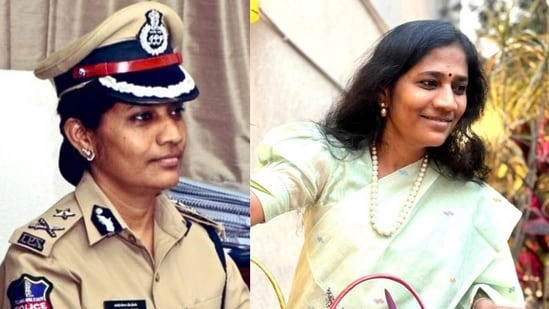
Saree-clad IPS officer drives Maoist surrender in Telangana
Hyderabad-based IPS officer Sumathi led a pivotal operation that coaxed senior Maoists to surrender, signaling a turning point against insurgency in Telangana.
Hyderabad-based Sumathi, head of the Special Intelligence Branch of Telangana Police, oversaw the long, patient process that culminated in the surrender of senior Maoist leaders, including Devuji (Thippiri Tirupati) a key Central Committee member and politburo figure, along with Malla Raji Reddy and two other senior cadres. The surrender took place in the presence of the state DGP, who praised Sumathi and her SIB team for their role in steering these cadres away from the path of violence and into the mainstream.
Police sources described a professional, intelligence-driven strategy designed to minimize casualties and avoid turning the cadres into martyrs. The approach focused on understanding the ultras’ concerns, offering pathways back to civilian life, and presenting surrender as a responsible, lawful choice rather than a costly confrontation. This careful framing was credited with reducing the allure of violence and encouraging a peaceful disengagement from the movement.
Devuji, a long-standing central committee member, had shown little inclination to depart from the Maoist path initially, but Sumathi’s persistent engagement and the SIB’s targeted outreach helped shift the calculation. The surrender of Devuji, along with Malla Raji Reddy and the two other senior cadres, is being described by security officials as a significant blow to the Maoist network in Telangana and a potential turning point in the state's ongoing effort to curb extremism.
This event highlights the growing impact of intelligence-led policing in the region, where authorities emphasize that surrenders can reduce risks for civilians and security forces alike. While one breakthrough does not end insurgency, experts say it signals a strategic shift toward reintegration, legal accountability, and a political framework for addressing underlying grievances. The case also underscores the important, visibility-boosting role played by women officers in complex security operations.
