Good-Bad Films: Why Our “Guilty Pleasures” Are Actually Pure Gold

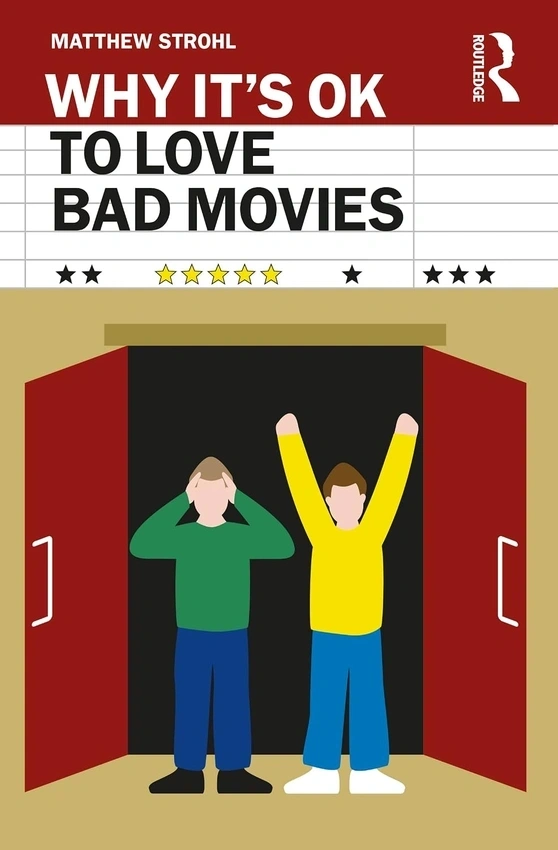
Good-Bad Films: Why Our “Guilty Pleasures” Are Actually Pure Gold
Dive into the "good-bad" film phenomenon! We explore why movies that cross the line from awful to sublime are becoming our favorite cultural treasures. Get ready to embrace your cinematic guilty pleasures.
Embracing the Magnificent Mess: Why “Good-Bad” Films Reign Supreme
Forget the critics, ditch the snobbery. There's a particular kind of magic in movies that are, by all conventional standards, “bad”—yet we absolutely adore them. We’re talking about those cinematic gems that transcend their flaws, crossing a mysterious line from merely awful to truly sublime. This isn't about ironic enjoyment; it's a genuine affection, a heartfelt embrace of films that defy easy categorization.
The Allure of the Unconventional
Why do we, as avid pop culture enthusiasts, revel in debating films that many might dismiss as failures? It’s because these aren't just “bad” movies; they're interesting movies. They offer something beyond technical perfection or critical acclaim. Often, they possess a singular vision, a passionate (if sometimes misguided) execution, or a level of unintentional humor that can't be replicated by even the most meticulously crafted comedies.
Think about it: a truly awful film is boring. A “good-bad” film, however, is anything but. It sparks conversations, ignites debates, and often forms the bedrock of cult followings. There's a joy in dissecting their quirks, celebrating their bizarre choices, and finding the unexpected brilliance hidden within their perceived shortcomings.
Beyond the “Guilt”: Pure Pleasure
The term “guilty pleasure” almost feels outdated when it comes to these films. What is there to feel guilty about? Our love for these movies is a testament to the diverse ways we engage with art. It’s an acknowledgment that entertainment doesn't always have to be high-brow or critically validated to be profoundly impactful and enjoyable. Sometimes, the raw, unfiltered, slightly off-kilter vision is exactly what we crave.
These films often become cultural touchstones because they dare to be different, even if that difference wasn't initially intentional. They challenge our expectations of what a “good” movie should be, expanding our cinematic palettes and reminding us that there's a vast spectrum of experiences to be had on screen. The earnest performances in a poorly written script, the bizarre plot twists, the memorable (for all the wrong reasons) dialogue—these elements combine to create something uniquely captivating.
The Social Glue of Shared Peculiarities
Part of the magic lies in the shared experience. Discussing and defending a “good-bad” film creates an instant bond. It’s a collective nod to appreciating the unconventional, a tacit agreement that sometimes, the most memorable experiences come from the least expected places. We dissect the plot holes with glee, quote the most absurd lines, and celebrate the sheer audacity of it all.
These discussions aren't about tearing down cinema; they're about expanding its definition. They're about recognizing the artistry, however accidental, and the undeniable entertainment value that springs from a film's unique blend of ambition and execution. It’s a celebration of creativity in all its forms, even when it veers wildly off course.
So, the next time you find yourself drawn to a movie that critics panned but your heart adores, lean into it. There's no guilt in genuine enjoyment. Embrace the “good-bad” phenomenon, because in these gloriously imperfect creations, we often find some of the purest, most unadulterated cinematic joy.
