Casting Controversy: Jacob Elordi as Heathcliff in Wuthering Heights Sparks Debate

Casting Controversy: Jacob Elordi as Heathcliff in Wuthering Heights Sparks Debate
A heated debate over Jacob Elordi's casting as Heathcliff in Emerald Fennell's Wuthering Heights remake, as critics weigh bold reinterpretation against fidelity to Brontë's Gothic mood.
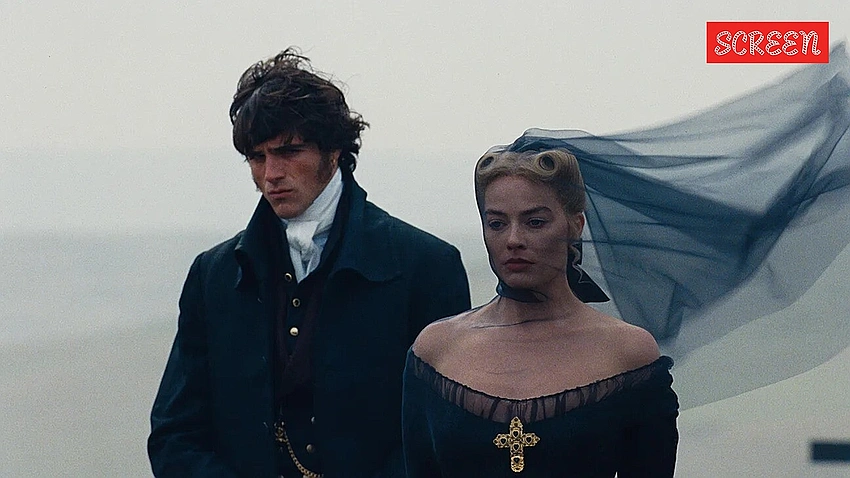
Emerald Fennell’s latest project is turning Emily Brontë's Wuthering Heights into a big-screen event, with Margot Robbie starring opposite Jacob Elordi as Heathcliff. The adaptation, part of a long lineage of tellings of the doomed love story, is opening in theaters this Friday and immediately stoked a wave of conversation about casting, mood, and fidelity to the Gothic novel. As studios chase fresh takes on Brontë's Gothic saga, fans are weighing whether Elordi's sunlit screen presence can carry the project into Heathcliff's notorious shadows, and whether Robbie's presence signals a new approach to the era's passion and danger.
Literary experts have been weighing in on the casting choice, splitting along questions about whether a younger, screen-tested charisma can translate into the brooding anti-hero Heathcliff. Some admire the chemistry teased by trailer glimpses and argue that Elordi's intensity could bring a modern edge to a timeless character. Others worry that the role demands a rougher edge and a more weathered sense of guilt and fury that might resist this actor's current persona. The debate has become a talking point in pre-release conversations, underscoring how a single casting decision can redefine audience expectations for a classic Gothic romance.
Alongside the casting chatter, early reviews and industry chatter have framed the film's execution in mixed terms. One major review called the film overwrought and oversexualized for a modern-day Valentine’s Day release, while others praised its ambition and the way it leans into Brontë's moodier atmospherics. On the red carpet, Robbie has been singled out for bringing 18th-century Gothic vibes—an aura she amplifies through costumes, posture, and a measured, often electric, dynamic with Elordi. The conversations around on-screen chemistry, period detail, and the director's reformulation of the source material have become a central part of the film's pre-screening discourse.
Emerald Fennell, known for bold storytelling from her previous work, has framed this Wuthering Heights as a reimagining rather than a strict period piece. The adaptation leans into the emotional extremes that fans associate with the Brontë novel while testing how far a contemporary sensibility can bend the boundaries of its setting. The film's marketing has highlighted both the intense romance and the looming menace that define the original story, signaling that audiences may be in for a ride that blends reverence with reinvention. Whether this balance lands with critics and viewers alike will soon become clear as audiences fill theaters this weekend.
Beyond the debate about casting, the release puts a spotlight on the ongoing conversation about why Wuthering Heights continues to attract modern reinterpretations. If the film can fuse Robbie's star power, Fennell's audacious directorial choices, and a faithful mood that captures Brontë's stormy moorlands, it could reaffirm the novel's place in contemporary cinema. For fans curious about the latest iteration, the film promises a bold take that invites more discussion, not just about Heathcliff's shadow but about how classic stories evolve for new generations.
