Mumbai's Commuters Stranded as BEST Employees Launch Indefinite Strike!

Mumbai's Commuters Stranded as BEST Employees Launch Indefinite Strike!
Mumbai faces severe transport disruption as BEST employees begin an indefinite strike. Learn about their crucial demands, the massive impact on 25 lakh daily commuters, and the ongoing standoff with authorities.
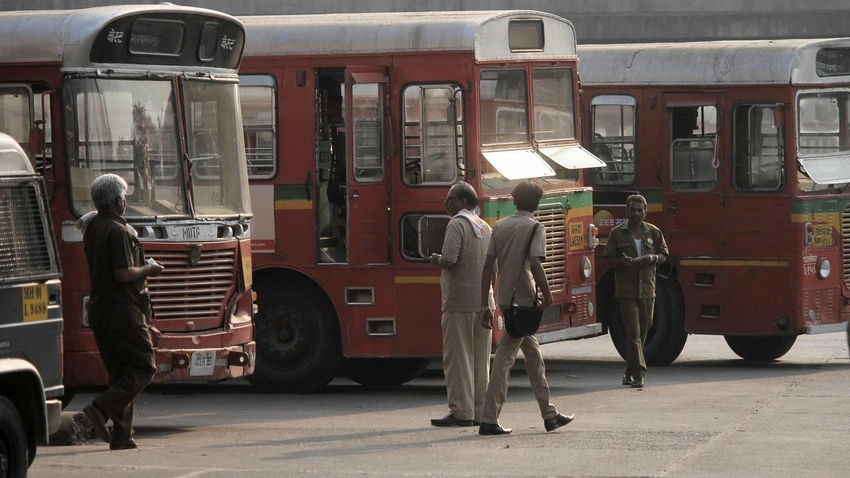
Mumbai's vital public transport system has ground to a halt as employees of the Brihanmumbai Electric Supply and Transport (BEST) undertaking have embarked on an indefinite strike. This widespread industrial action has left hundreds of thousands of daily commuters in a state of disarray, forcing them to seek alternative, often more expensive, modes of travel.
The strike, which commenced despite an ad-interim order from an industrial court restraining employees from stopping work, stems from a host of unresolved grievances. Union leader Ranganath Satavase highlighted dire financial issues, including retired employees not receiving their dues since 2022 and waitlisted workers struggling without minimum wages. A significant point of contention is the wage agreement for 2016 to 2021, which remains unfinalized, alongside pending gratuity payments for retired workers.
Adding to the workers' concerns are issues dating back to 2019 regarding salary tax and merger issues, which were reportedly sent to the city development account by the BMC but have yet to be approved by either previous or current governments. Furthermore, employees are deeply troubled by the government's plan to develop all depots under a Public-Private Partnership (PPP) model. Satavase expressed fears that a 99-year rental agreement under this model could jeopardize the future operations of BEST itself.
Another key demand, as reported by 'The Hindu', is the merger of BEST's budget with that of the Brihanmumbai Municipal Corporation (BMC). This move is seen by workers as crucial for stabilizing the undertaking's financial health.
The impact on Mumbai's residents is immediate and severe. BEST, serving as the city's second-largest public transport provider after the suburban railway network, typically ferries around 25 lakh passengers daily through its network of approximately 2,700 buses. With most buses from the 27 depots unable to leave, commuters are now relying on overcrowded local trains, autorickshaws, taxis, app-based cabs, and the Metro, leading to increased travel times and costs across the city.
