SC Seeks Centre, ECI Response on Iris, Fingerprint Voting Plan Ahead of Polls

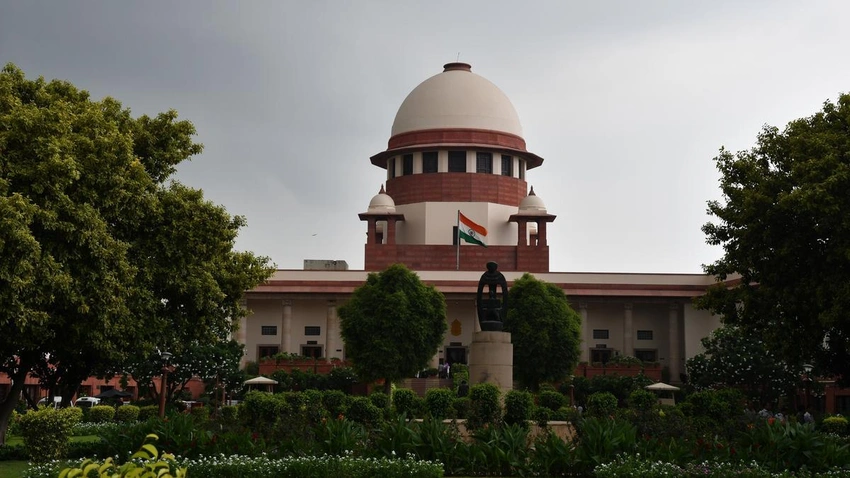
SC Seeks Centre, ECI Response on Iris, Fingerprint Voting Plan Ahead of Polls
The Supreme Court asks the Centre and Election Commission for a detailed response to a plea for biometric voter verification at polling booths, weighing costs and legal changes before the next General Election.
In a development with potential sweeping implications for voting in India, a bench led by Chief Justice of India Surya Kant on Monday sought responses from the Union Government, the Election Commission of India and others on a plea to introduce finger and iris biometric identification at polling stations to curb duplicate voting. The court considered the financial implications of such a mechanism and said it would take up the plea before the next General Election, noting that implementing biometric verification could require a major amendment to existing law.
The proceedings signal the judiciary’s willingness to explore high-tech options to safeguard electoral integrity, even as it stresses the need to evaluate feasibility before any rollout. While the court did not indicate a timeline for implementation, it made clear that any move would not be applied to current state polls and would hinge on legislative and administrative readiness, privacy protections, and cost considerations.
The petition argues that iris and fingerprint verification could deter impersonation and boost public trust in the electoral process. Proponents contend it could significantly reduce fraud, while opponents raise concerns about privacy, data security, civil liberties, and the risk of disenfranchisement if the system fails or excludes eligible voters. The court’s questions to the Centre and ECI reflect a careful balancing act between innovation and rights, with a focus on ensuring that any future measure is legally tenable and fiscally viable.
