Rafah Crossing Reopens Amid Uncertainty as Gaza Evacuations Stall

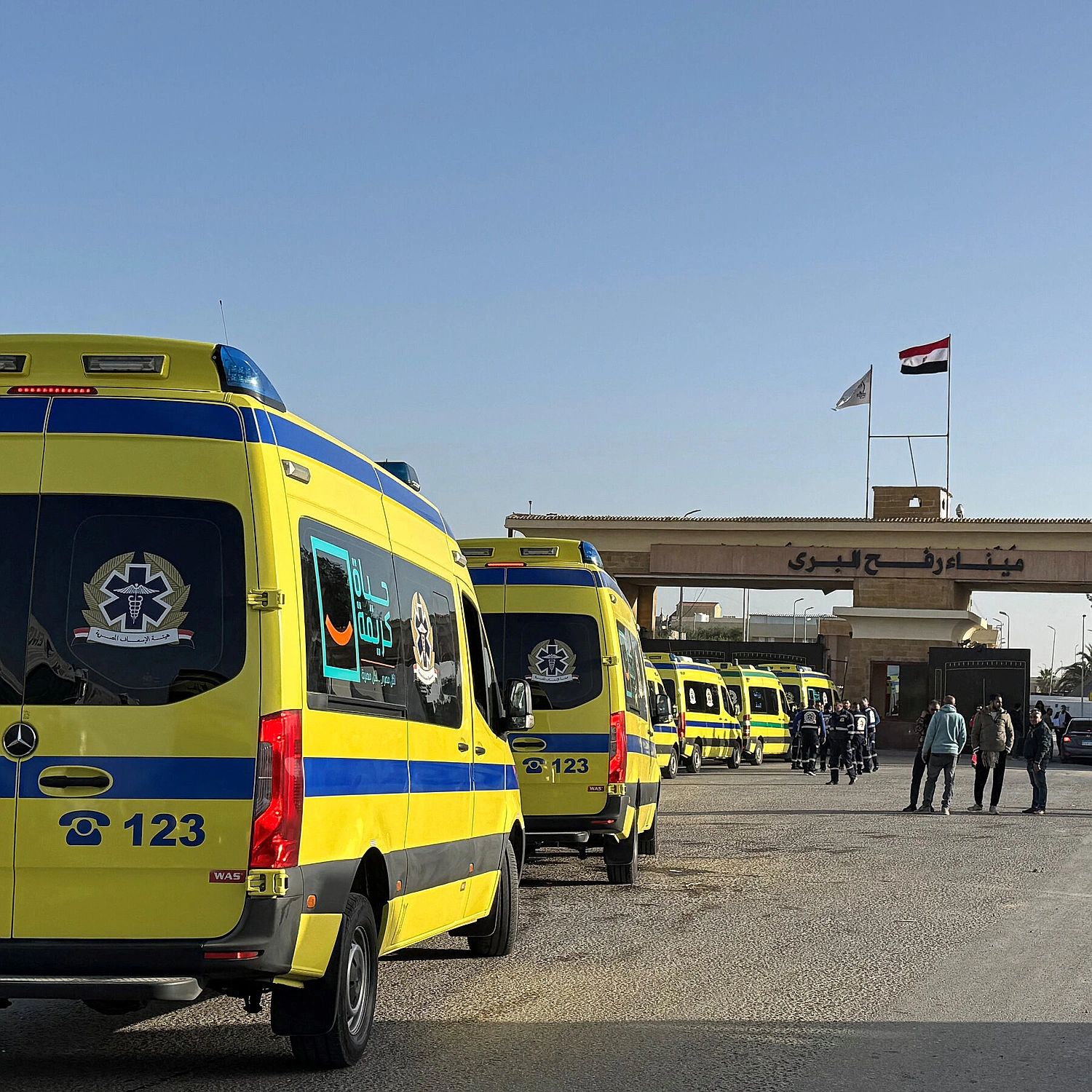
Rafah Crossing Reopens Amid Uncertainty as Gaza Evacuations Stall
As Rafah briefly reopens, renewed clashes halt patient evacuations and highlight coordination gaps among aid groups, authorities, and international bodies.
Tensions flare as the Rafah border crossing reopens in limited fashion amid ongoing clashes inside Gaza, casting a shadow over efforts to move patients for treatment. Israeli tank fire and airstrikes killed 18 people, including four children, in Gaza on Wednesday, while fighting prompted delays and renewed questions about access through the border. The scene at the crossing reflects a fragile pause in a conflict that has seen months of near-standstill on cross-border movement.
The reopening of Rafah was billed as a first step in a phased plan tied to a broader ceasefire framework, but the day brought contradictions. On the ground, officials said the crossing remained technically open, yet coordination details needed to facilitate evacuations from Gaza to Egypt were not received from the World Health Organization, leaving doctors and families in limbo. Earlier, 16 patients and 40 escorts had crossed into Egypt on February 3, offering a glimpse of what limited movement could look like, but those evacuations were quickly complicated by fresh Israeli strikes and security checks.
At a hospital in Khan Younis, Red Crescent workers reported that patients had prepared for cross-border treatment, only to be told that travel today was cancelled as the crossing was closed again. “They called the patients and said today there is no travel at all, the crossing is closed,” one Palestinian patient recalled, underscoring how unpredictable the window for lifesaving journeys can be.
Reports from inside Gaza also described checks that add an additional layer of anxiety for travelers. A Palestinian woman said members of an Israel-linked militia conducted searches at an Israeli checkpoint inside Gaza as part of ongoing security screening, a reminder that surveillance and control lines remain in flux even as the border shows the possibility of reopening.
Beyond the immediate border drama, observers note that the crossing’s limited reopening aligns with broader political dynamics, including a reference to a previous plan associated with former U.S. leadership. The moment underscores how humanitarian corridors depend as much on coordination and security conditions as on the literal opening of gates. Aid groups, doctors, and families await clearer guidance and steps that can ensure safe, timely evacuations rather than provisional openings that can close with little notice.
As fighting continues and the humanitarian clock ticks, the Rafah crossing remains a critical, yet highly uncertain, lifeline. The coming days will reveal whether international coordination can translate into reliable patient evacuations or if the border will swing back to tighter restrictions under renewed security pressures.
