Delhi in toxic fog as AQI hits severe levels, flights delayed

Delhi in toxic fog as AQI hits severe levels, flights delayed
Delhi-NCR battles severe air quality and dense fog with flight delays as PM2.5 spikes raise health concerns.
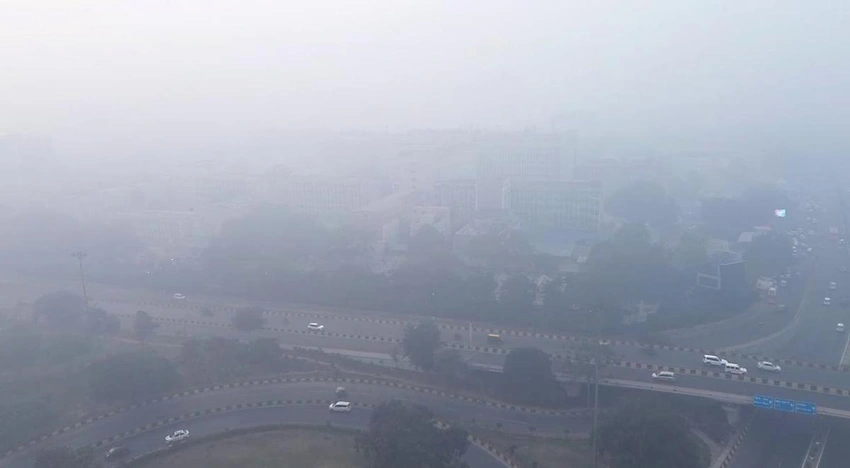
Delhi-NCR woke to a choking pall of smog and fog as the air quality index climbed into the severe range. In several parts of the capital region, AQI readings touched 418, with readings in other zones pushing toward 440 in the severe category. The concentration of PM2.5 rose sharply, prompting health advisories and raising concerns about respiratory stress for residents, especially the elderly and those with heart or lung conditions. Authorities cited a combination of local emissions and a stagnating weather system that trapped pollutants close to the ground, a pattern that officials say has turned mornings into risky periods for outdoor activity.
Flights began showing delays as visibility dropped and airport operations grappled with the fog layer that clung to the city. By mid-morning, several flights to and from major Delhi hubs faced schedule disruptions as air traffic management teams rerouted or rescheduled departures. The disruption is part of a broader pattern of travel woes in the Delhi-NCR region, where residents are used to a rough start to the year but now confront historically high pollution levels.
Social media and street-level reporting captured the surreal sight of a city shrouded in haze. In nearby Noida, high-rise towers loomed through thick fog, a visual reminder of how weather and pollution can sculpt the skyline. Observers note that the current spike comes on the back of stagnant winds and persistent emissions, making the air unusually heavy and harder to breathe.
Public health guidance for residents has become stricter: check air quality forecasts, limit outdoor exertion, wear masks when stepping outside, and keep doors and windows closed to reduce indoor pollution. Experts warn that the trend could persist if meteorological conditions do not improve, underscoring the need for longer-term measures to curb emissions and improve air circulation.
January has emerged as one of the most polluted months in two years, according to monitoring agencies, with Delhi witnessing several days of severe air quality in a winter that often compounds smog with fog. Officials say the city will continue to monitor conditions and issue advisories as needed, while health professionals urge residents to stay informed and protect themselves in the days ahead.
