Hormuz Standstill Deepens Oil Supply Fears as Iran Blocks Passage

Hormuz Standstill Deepens Oil Supply Fears as Iran Blocks Passage
Oil shipping through the Strait of Hormuz stalls as Iran blocks passage after attacks, drawing calls for safe, unimpeded routes and raising energy-security concerns.
The Strait of Hormuz is at a standstill as Iran reversed course on reopening after recent attacks, delaying vessels and raising alarm across energy markets.
Data from ship trackers show several Indian and foreign ships headed for Indian ports waiting for clearance near Hormuz, with dozens of vessels identified for evacuation plans. The blockage comes as tensions spike in West Asia and trading patterns shift under the pressure of the ongoing crisis.
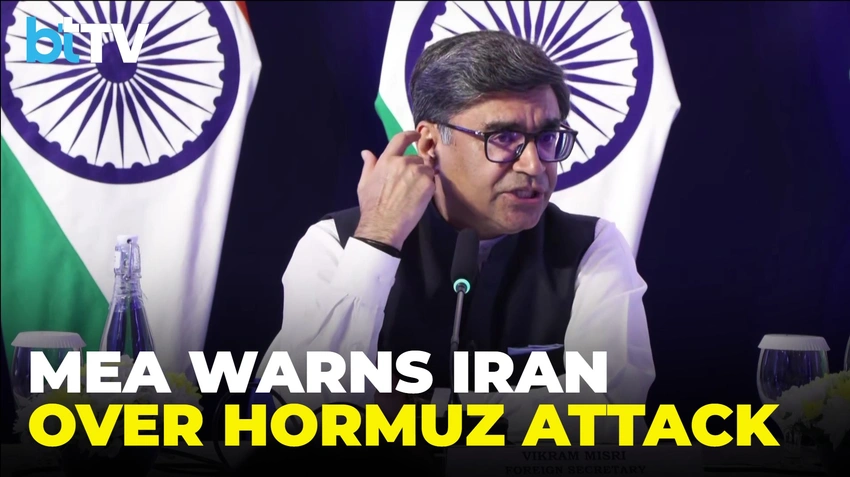
In Colombo, India's Foreign Secretary Vikram Misri urged Iranian authorities to ensure the safety of mariners and free movement through international waterways, emphasizing India’s energy needs and the safety of nearly 10 million Indians living in Gulf countries. He also stressed that sovereignty and territorial integrity must be respected and called for dialogue, de-escalation, and protection of civilians. Misri noted that Indian sailors have already been killed and remain missing in earlier attacks.
India’s concerns reflect the broader risk to crude, LPG and LNG supplies, as shipping lanes tighten and insurance costs rise. The Times of India reports that 17 vessels have been identified for evacuation and that many ships remain stuck outside Indian ports awaiting clearance.
Iran warned that any blockade of its ports would come at significant costs for everyone as oil prices rise, arguing that oil exports cannot be restricted while others demand “free security.” The global market is watching closely as governments weigh energy security and the stability of Gulf shipping lanes amid calls for de-escalation.
