BNP Returns to Power in Bangladesh After 20 Years, Tarique Rahman Poised to Lead

BNP Returns to Power in Bangladesh After 20 Years, Tarique Rahman Poised to Lead
Bangladesh’s BNP claims a sweeping victory, signaling a major political shift as Tarique Rahman eyes the prime minister’s seat after protests toppled the previous government.
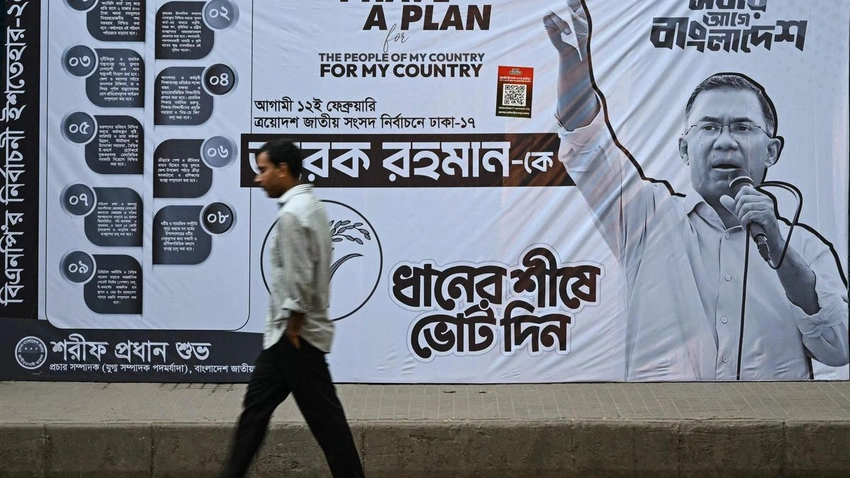
Bangladesh’s BNP is on the cusp of forming the next government after two decades in opposition, riding a sweeping victory in the general elections. Senior BNP leaders say Tarique Rahman, the son of founder Ziaur Rahman, is poised to become prime minister after the party won a clear majority and is set to claim over 200 seats, with strong showings in Dhaka-17 and Bogura-6. This marks a turning point in the country’s politics, coming after violent protests in 2024 that toppled the Hasina government.
Rahman’s anticipated ascent is being welcomed by supporters and drew a congratulatory note from Prime Minister Modi, underscoring a potential shift in bilateral ties with India. As analysts assess the implications, the outcome could reshape South Asia’s political landscape and influence economic and diplomatic dynamics for Bangladesh.
The BNP’s origins run deep in Bangladeshi politics. Formed in 1978 by Ziaur Rahman, who helped lead the country to independence, the party secured its first big win in 1979, taking 207 of 300 seats. The subsequent decades brought upheaval, including a 1981 coup that followed Ziaur Rahman’s assassination and military ruler Ershad’s rise to power in 1982, sidelining BNP for years. The latest electoral results come as voters also backed sweeping reforms in a national referendum, with 60.2% approving the reform package, according to the Election Commission. The combination of a BNP victory and reform endorsement points to a potential new era in Bangladesh’s political and governance landscape.
