Iran Protests Escalate, Death Toll Climbs in Tehran

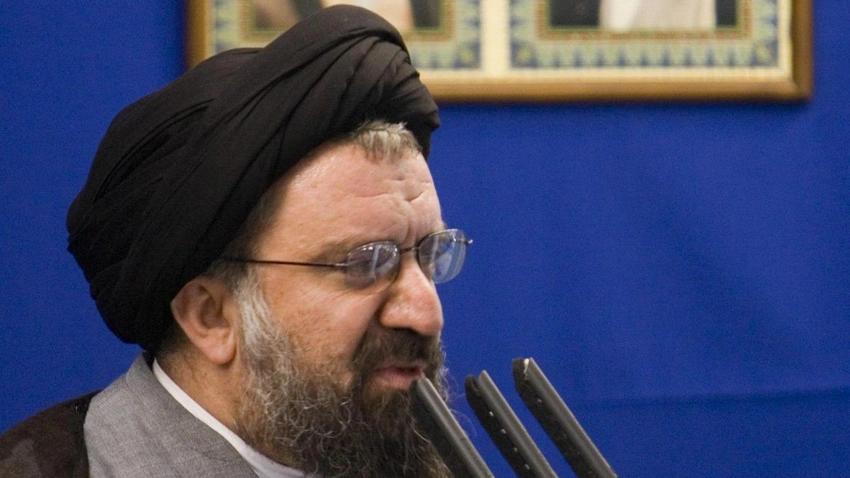
Iran Protests Escalate, Death Toll Climbs in Tehran
As protests surge across Iran, a brutal crackdown draws international attention with thousands feared dead, spotlighting Tehran's pivotal role in a widening crisis.
Protests across Iran have intensified into one of the deadliest challenges to the Islamic Republic in decades, with rights groups saying thousands have died in the crackdown. The unrest began with economic grievances and quickly morphed into a broad challenge to the clerical leadership, leaving the country gripped by fear and uncertainty. The spark reportedly came in Tehran when traders and shopkeepers in the Grand Bazaar, a historic economic artery, staged strikes over the faltering rial, symbolically amplifying public anger that had been smoldering for years. The scene in the capital underscored how close the conflict is to everyday life, with markets and shops at the heart of the friction between ordinary Iranians and a government seen as unable to deliver on promises of reform. The scale of the crackdown has shocked observers, with verified death tolls reportedly surpassing 3,000, including thousands of protesters, as authorities pressed a hard line against demonstrations that resurfaced after initial crackdowns. The internet and communications networks have been restricted as security forces sought to curb mobilization and curtail coverage of events, a move that has drawn criticism from human-rights advocates and foreign governments. The economic context cannot be ignored. Iran’s economy has been battered by Western sanctions, a contracting currency, and a drought that worsened domestic pressures, compounding public frustration as basic services and livelihoods faltered. The government has warned against “domestic terror” and external interference, framing the protests as a crisis of security that demands firm action. In public remarks, leaders and officials have acknowledged the country’s deep-seated problems but offered few concrete, wide-scale solutions that satisfy the public’s demands for accountability and reform. Tehran’s observers describe Iran as a tinderbox, where a spark remains enough to ignite renewed cycles of demonstrations, even as authorities signal readiness for more confrontations if protests resume. While security forces appear to have quelled the demonstrations for now, the underlying grievances—economic distress, political restrictions, and daily hardships—remain unresolved, leaving Iran at a crossroads as the world watches for any shift toward openness or further crackdowns.
