Davos 2026: India eyes third-largest economy as reforms deepen liquidity

Davos 2026: India eyes third-largest economy as reforms deepen liquidity
As Davos hosts global leaders, India aims for the third-largest economy through deeper liquidity and smarter credit.
Global attention shifts to Davos as the World Economic Forum opens for 2026. Indian officials frame the growth story as a test of policy depth rather than sheer scale, signaling that the country is on track to become the third-largest economy. The focus is on deepening liquidity and enabling smarter credit to fuel investment and job creation, rather than simply expanding the size of the financial system.
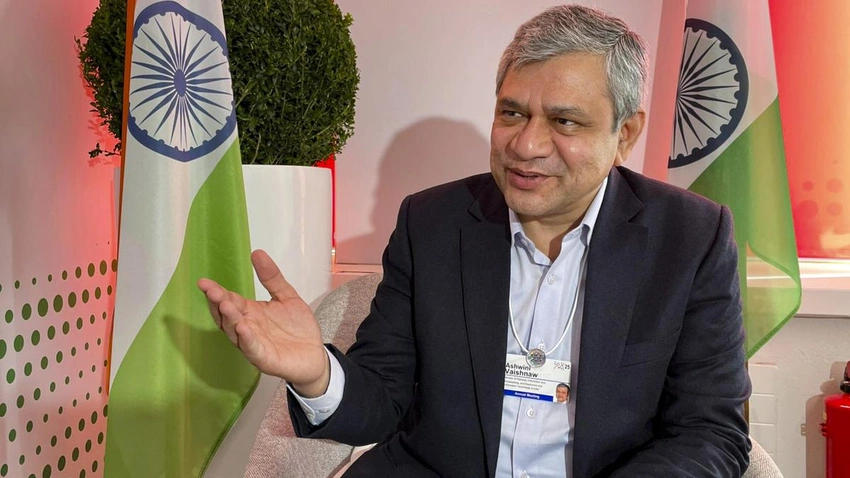
Union Minister Vaishnaw asserts India will definitely rise to third place among global economies, underscoring confidence in reform momentum and capital flows. In parallel, economist Gita Gopinath offers a measured forecast, suggesting India could join the top three by 2028 or even earlier if revisions to GDP figures tilt favorably and structural reforms keep pace with growth.
Analysts also flag elevated risks from geopolitical tensions and policy uncertainty that could temper momentum. Still, the official view notes that the country’s macro indicators remain robust, with 2025-26 GDP projections marking India as the fastest-growing major economy. The latest central bank bulletin points to resilience and room for policy calibration as global conditions evolve.
Budget 2026 expectations center on affordability and credit depth. Rather than chasing a bigger financial system, policymakers are said to seek deeper markets: more transmission of liquidity to creditworthy borrowers, lower costs of funds, and targeted support for sectors like small business and infrastructure. The overall aim is to sustain growth by making credit more accessible and affordable, while maintaining financial stability.
Together, these signals paint a picture of a reform-driven growth story that has captured global attention. Investors and policymakers will be watching for concrete steps, budget measures, and the pace of reforms that could turn optimism into sustained momentum.
