Gen Z's Secret Weapon: Why 'Dumb' Phones Are Their New Digital Detox Hack

Gen Z's Secret Weapon: Why 'Dumb' Phones Are Their New Digital Detox Hack
Forget infinite scrolls. Gen Z is leading a quiet rebellion, swapping iPhones for 'dumb' phones. Companies like Dumb Co are bridging the gap, offering a refreshing take on digital well-being.
Gen Z, the generation born with a touchscreen in hand, is making a surprising move: they're ditching the infinite connectivity of their smartphones for something strikingly analog. We're talking about 'dumb' phones, those minimalist relics from the early 2000s, but with a modern twist. It's a calculated, deeply personal digital detox strategy.
The appeal is clear. Constant notifications, endless social feeds, and the ever-present pressure to be 'on' 24/7 are taking a toll. Young people are feeling it, and they're actively seeking ways to reclaim their focus and mental space.
The allure of a device that simply calls, texts, and maybe offers a basic game of Snake is powerful when you're overwhelmed by digital noise.
But here's where the trend gets truly innovative.
It's not about completely abandoning modern tech; it's about control.
Enter companies like Dumb Co, which are at the forefront of this hybrid movement.
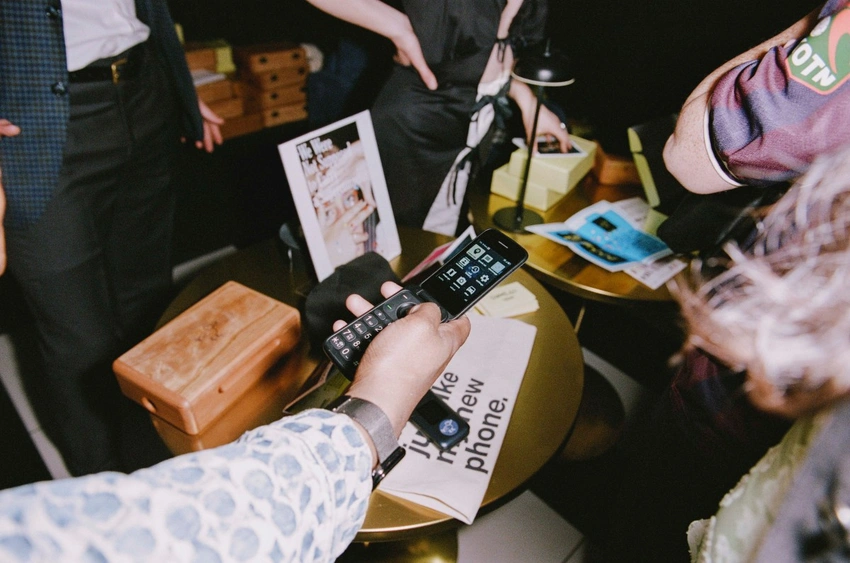
They're not just selling retro flip phones; they're offering a sophisticated solution that 'syncs to your smartphone,' as their ingenious model demonstrates. This allows users to enjoy the freedom and reduced screen time of a simpler device while still maintaining access to essential smart features when needed. It's a brilliant bridge, marrying the best of both worlds without the full commitment to digital isolation or digital overload.
Think about it: carrying a Dumb Co flip phone means you can disconnect from the endless digital hum during work, study, or social gatherings, fostering more genuine, in-person interactions. Yet, you haven't completely severed ties with your digital life. Your important contacts, calendar, and even some smart app data can still be accessed, just not constantly demanding your attention.
It's a pragmatic approach to digital wellness for a generation that understands both the benefits and the pitfalls of hyper-connectivity.
It's a growing movement. By July 10, 2026, we're seeing more and more young people, influenced by thought leaders and tech observers like Amanda Silberling, embracing this kind of intentional disconnection. They're seeking a tangible boundary between their online and offline selves, and these smart 'dumb' phones provide exactly that.
This trend is forcing us to rethink our relationship with technology.
It's no longer about having the latest, most powerful device, but about having the right device for the right moment.
The 'dumb' phone isn't just a device; it's a statement.
It's a commitment to mindfulness, to presence, and to a healthier, more balanced digital life.
