Is Your Favorite Stadium Actually Safe? Why We Must Put Safety Before the Scoreboard

Is Your Favorite Stadium Actually Safe? Why We Must Put Safety Before the Scoreboard
With major events like IPL 2026 on the horizon, the focus is shifting to stadium safety. Is a thorough expert review worth a potential delay? Here is why we cannot afford to skip the fine print.
Safety First: Why We Must Prioritize People Over Playlists
We have all felt that electric buzz when walking into a massive stadium. The lights are blindingly bright, the grass looks like a velvet carpet, and thousands of fans are chanting in unison. It is the peak of sports culture. But behind that magic lies a heavy question: Is the concrete under your feet actually secure?
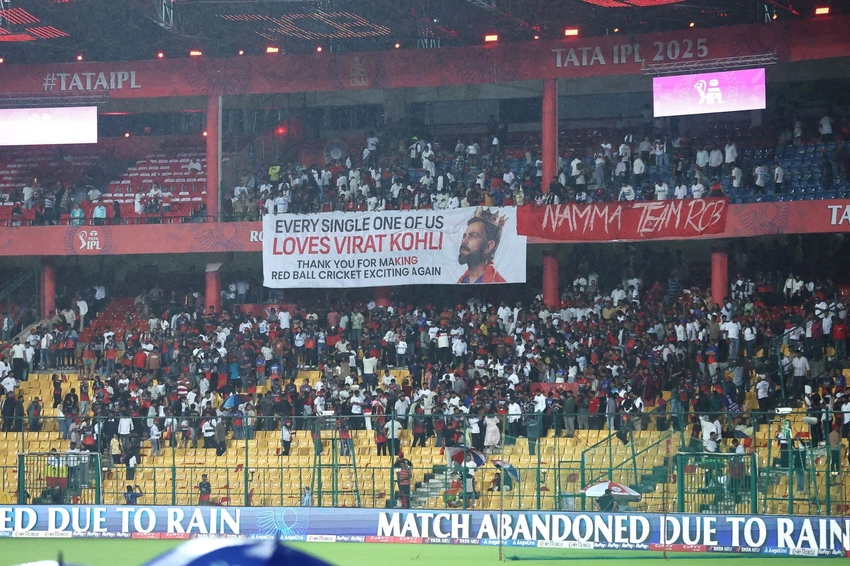
Recently, the M Chinnaswamy Stadium in Bengaluru hit the headlines not for a world record on the pitch, but for a comprehensive safety review. It was officially cleared for the IPL 2026 season only after an expert committee gave it the green light. While some fans might find these bureaucratic hurdles annoying or worry about potential delays, these checks are actually the most important part of the game day experience.
The Pressure of the Schedule
In the world of high stakes sports, the calendar is king. Television deals, sponsor commitments, and complex travel logistics create a massive amount of pressure to keep things moving. There is often a hidden temptation for organizers to rush through maintenance or skip deep structural audits just to ensure the gates open on time for the first ball.
However, we need to ask ourselves if a two week delay is really worse than a structural failure during a sold out match. History has shown us that when crowds gather in the tens of thousands, even a small oversight in maintenance can lead to a tragedy. A stadium should be a sanctuary for fans, not a hazard.
Why Expert Committees Matter
An expert committee does much more than just look at the fresh coat of paint. Their review process typically covers vital ground that the average fan never sees. This includes:
- Structural Integrity: Ensuring the stands and roofing can withstand extreme weather and the literal weight of thousands of jumping fans.
- Evacuation Routes: Verifying that fire safety protocols and exit paths are clear and functional.
- Electrical Systems: Checking the massive power grids required for floodlights and digital broadcasts.
- Crowd Control: Testing the strength of barriers and entry points to prevent surges.
When a major venue undergoes this kind of scrutiny, it sets a necessary standard. It tells the public that their lives are valued more than the immediate ticket revenue.
A New Standard for Global Events
As we look toward the 2026 season and beyond, this rigorous approach should be the global norm. We should celebrate when a stadium is forced to undergo a thorough check, even if it feels like a buzzkill at the time. A cleared stadium is not just a building; it is a promise of safety. Let us support the officials who take the time to do it right. After all, the best way to enjoy a last ball thriller is knowing that the roof over your head is as solid as the players on the field.
