Fitzgerald in LA: Why Old Stories Still Spark New Creations

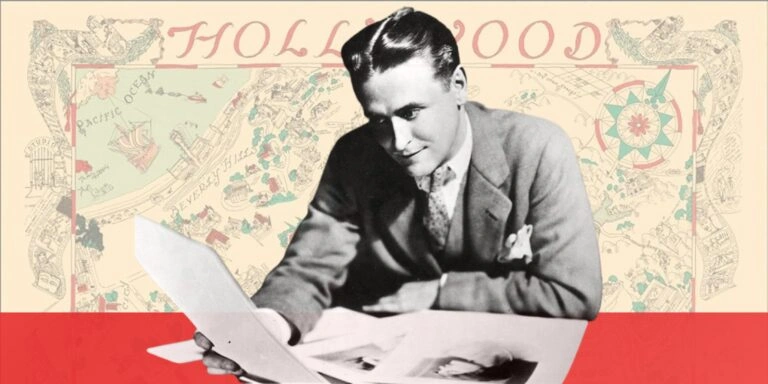
Fitzgerald in LA: Why Old Stories Still Spark New Creations
F. Scott Fitzgerald, the Jazz Age icon, found himself seeking a fresh start in Hollywood. Discover how his timeless struggles continue to inspire modern creators.
Some stories, some lives, simply refuse to fade. They echo through the decades, offering profound insights and sparking fresh creativity for new generations of artists. Take F.
Scott Fitzgerald. Often associated with the glittering East Coast, his personal saga and the universal themes woven into his work, like the relentless clash of old money versus new money, or the dangerous, intoxicating allure of the American dream, find a powerful resonance even today, especially in places like California.
Fitzgerald's connection to Los Angeles, often overlooked, reveals a man grappling with many of the same aspirations and anxieties that plague us now. He first landed in Hollywood in 1927 with his wife, Zelda. It was a brief, wild two-month stint where he played drunken pranks, like boiling guests' purses in tomato sauce, and worked on a film that never saw the light of day.
A whirlwind infatuation with a Hollywood ingénue cut that trip short.
Ten years later, the picture was dramatically different. Fitzgerald returned to LA alone, seeking a screenwriting job with MGM, a desperate move for a man whose star had dimmed. Zelda was hospitalized for schizophrenia, and their daughter Scottie was in school; his financial burdens were immense.
The $1,000 a week from MGM was critical for their care. He was no longer the roaring twenties icon whose debut novel, This Side of Paradise , had brought him instant fame. The Great Gatsby , now a literary cornerstone, had initially failed to achieve the same commercial success.
He was more famous for his Jazz-era exploits, riding on taxi hoods with Zelda, dancing in fountains, doing handstands in the lobby of the Biltmore, than his writing, a relic of a bygone era. He confided in a letter to Arnold Gingrich,
I'm awfully tired of being Scott Fitzgerald anyhow as there doesn't seem to be so much money in it and I'd like to find out if people read me just because I am Scott Fitzgerald or, what is more likely, don't read me for the same reason.
Yet, this 'heartbroken and tentatively sober' Fitzgerald, like so many who flocked to Los Angeles, wanted one thing: to make it in Hollywood. His struggles, his desires, his very human flaws, encapsulate a timeless narrative. It's this raw, unfiltered humanity - the pursuit of success, the burden of fame, financial strain, and personal heartbreak - that makes old stories enduringly powerful.
They provide a rich tapestry for modern creators, proving that the human experience, in all its complexity, remains the ultimate wellspring of inspiration. Even an author writing a contemporary LA novel can find echoes of their characters' journeys in Fitzgerald's own, demonstrating that the classics are anything but dusty; they're alive, breathing, and continuously igniting new fires.
