Spain's PM Pedro Sánchez Calls Snap Election Over Housing Crisis!

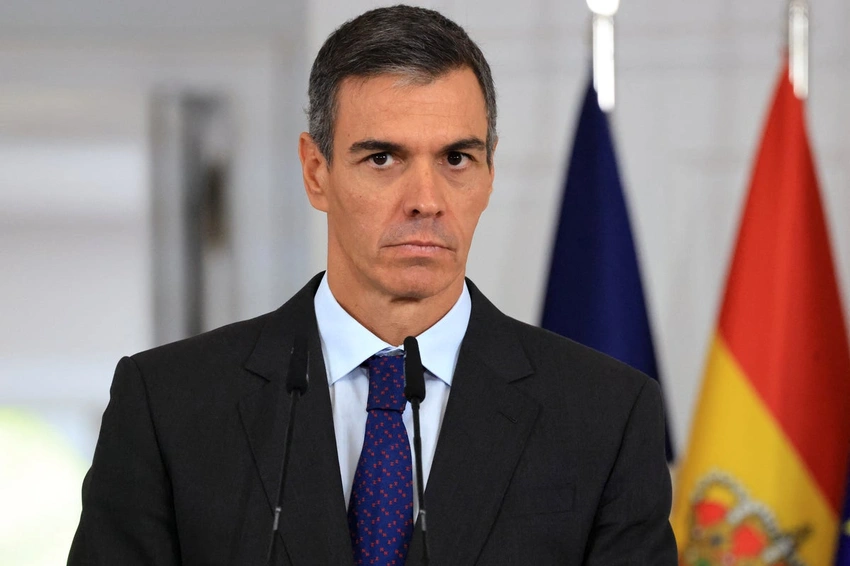
Spain's PM Pedro Sánchez Calls Snap Election Over Housing Crisis!
Spanish PM Pedro Sánchez has called a snap election for November 29th! After a key housing bill failed, he's banking on the housing crisis to rally support. Can he win a progressive majority amidst political turmoil?
Spanish Prime Minister Pedro Sánchez has surprised the nation by calling a snap general election for November 29th. This unexpected move comes directly on the heels of a significant parliamentary defeat last Friday, where a crucial raft of housing measures aimed at improving tenant conditions and curbing soaring rental costs was narrowly rejected by opposition parties.
While the parliamentary setback confirmed that Sánchez's left-wing coalition no longer held a majority, observers note that this election call was not a knee-jerk reaction.
Instead, it appears to be a calculated political maneuver by a leader known for strategic decisions.
His government has faced mounting pressure in recent months, grappling with corruption scandals implicating former senior figures in his Socialist Party (PSOE) and even his wife, Begoña Gómez, who faces allegations of misuse of funds and influence peddling.
Adding to the government's woes, Sánchez's administration has also struggled with the humanitarian and political fallout from a major influx of migrants into the Spanish exclave of Ceuta in North Africa. This complex situation has presented significant logistical and political challenges for the prime minister, drawing criticism and adding to the perception of a government under siege.
The housing crisis, however, seems to offer Sánchez a strategic lifeline.
Despite previously insisting he would complete his term next summer, the widespread outrage over housing issues has provided him with an opportune moment to reset the political agenda.
By focusing on tenant protections and affordable housing, Sánchez aims to mobilize his party's base and broader left-wing voters, framing the election as a clear choice between progressive social policies and the opposition's stance against market intervention.
On the campaign trail, Sánchez is expected to highlight that the conservative People's Party (PP) and the far-right Vox voted against his housing initiatives, which sought to prevent evictions and regulate property investments. While these right-wing parties typically oppose government intervention in the housing market, arguing it can be counterproductive, Sánchez hopes this issue, identified by polls as the biggest concern for Spaniards, will galvanize support and secure a stronger progressive majority.
