States, Congress Slam Centre Over New Rural Employment Act: Financial Strain Feared

States, Congress Slam Centre Over New Rural Employment Act: Financial Strain Feared
States, including BJP-led ones, are worried about the Centre's new VB-G RAM G Act replacing MGNREGA. Critics warn of financial stress and lack of consultation. #RuralEmployment
A new rural employment scheme introduced by the Central government, the Viksit Bharat – Guarantee for Rozgar and Ajeevika Mission (Gramin) Act (VB-G RAM G), is facing strong criticism from the Congress party and even concerns from several states, including those governed by the BJP. The Congress has accused the Modi government of "bulldozing" the new Act through Parliament without proper consultation, raising fears of centralisation and significant financial stress on states.
The VB-G RAM G Act, set to replace the Mahatma Gandhi National Rural Employment Guarantee Act (MGNREGA) from July 1, 2026, requires a majority of states to bear 40% of the total expenditure. This financial shift is at the heart of the controversy, with many states expressing apprehension about the increased burden on their budgets.
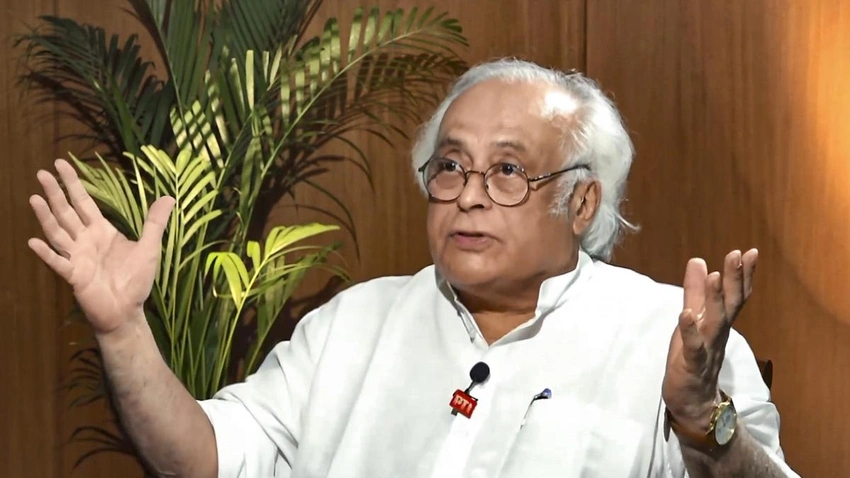
Jairam Ramesh, Congress general secretary (communications), sharply criticised the Centre, stating that the Modi government, "vengeful and petty as ever," pushed the repeal of MGNREGA without any thorough consultation with the Parliamentary Standing Committee on Rural Development, state governments, or other relevant stakeholders. He highlighted that even BJP-governed states like Madhya Pradesh and Bihar have raised objections to the new scheme's financing mechanism.
The concerns were initially brought to light by a report from The Hindu, revealing that despite the Centre's move, internal dissent among states about the implications of VB-G RAM G is significant. Critics argue that the new Act, while aiming to guarantee employment and livelihoods, might inadvertently lead to greater centralisation of power and disproportionately affect state finances, thereby undermining the spirit of cooperative federalism. The opposition maintains that a more inclusive and consultative approach was necessary for such a crucial policy change impacting rural livelihoods across the nation.
