Trump Imposes Tariffs on Key Tech & Solar Material! ⚡

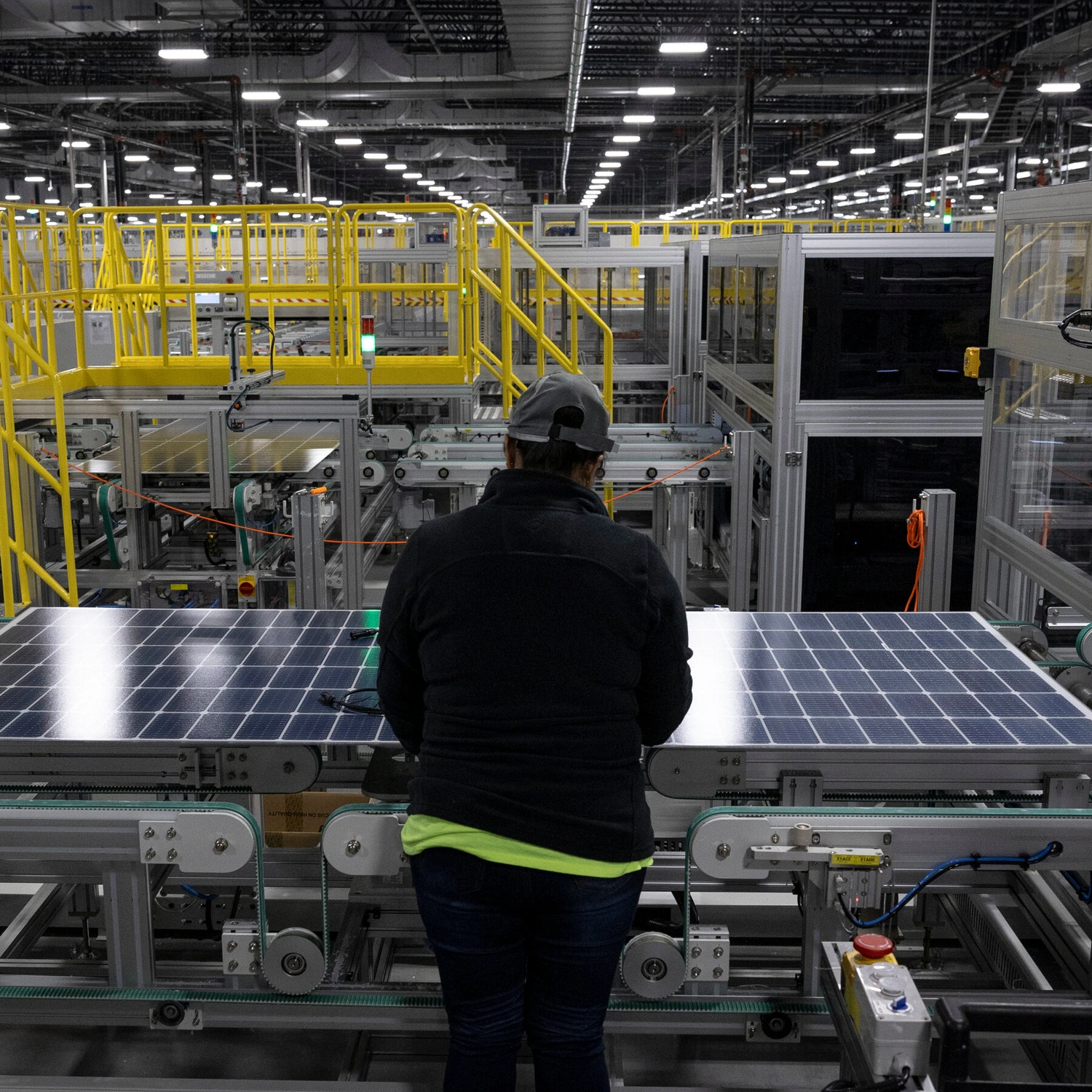
Trump Imposes Tariffs on Key Tech & Solar Material! ⚡
Breaking: Trump administration enacts tariffs and minimum import prices on polysilicon, a vital component for electronics and solar panels. How will this impact global tech and energy sectors? #PolysiliconTariffs
The Trump administration has announced new tariffs and a minimum import price for polysilicon, a crucial ingredient used in the production of semiconductors and solar panels. This move, formalized by an order signed by Donald Trump on Thursday, signals a significant shift in trade policy affecting global supply chains for technology and renewable energy.
Polysilicon is fundamental to numerous industries, serving as the raw material for silicon wafers used in computer chips, smartphones, and various other electronic devices. Furthermore, it is a primary component in the photovoltaic cells that convert sunlight into electricity, making it indispensable for the solar energy sector. The imposition of these tariffs is expected to raise the cost of importing this material, potentially impacting the manufacturing costs for both electronics and solar products within the United States.
The administration’s decision extends beyond just the raw material; tariffs will also be applied to products manufactured using polysilicon. This comprehensive approach aims to protect domestic industries that produce or utilize polysilicon, potentially encouraging localized production and reducing reliance on foreign suppliers. However, it also carries the risk of increasing consumer prices for a wide array of goods, from advanced electronics to solar installations.
Economists and industry experts are now evaluating the potential ripple effects of these tariffs. While proponents argue that such measures safeguard national security interests and promote American manufacturing jobs, critics express concerns about potential trade wars, retaliatory tariffs from other countries, and a slowdown in the adoption of renewable energy due to increased costs. The long-term implications for technological innovation and energy independence remain a subject of intense debate. This policy is set to reshape the landscape for companies involved in semiconductor fabrication and solar panel manufacturing, both domestically and internationally.
