Your AI Butler: Convenience or Catastrophe?

Your AI Butler: Convenience or Catastrophe?
Meta's new Muse AI promises ultimate personal assistance by accessing your most private data. Is this the future of convenience, or a giant leap of faith too far?
Your Digital Concierge: The Ultimate Trade-Off?
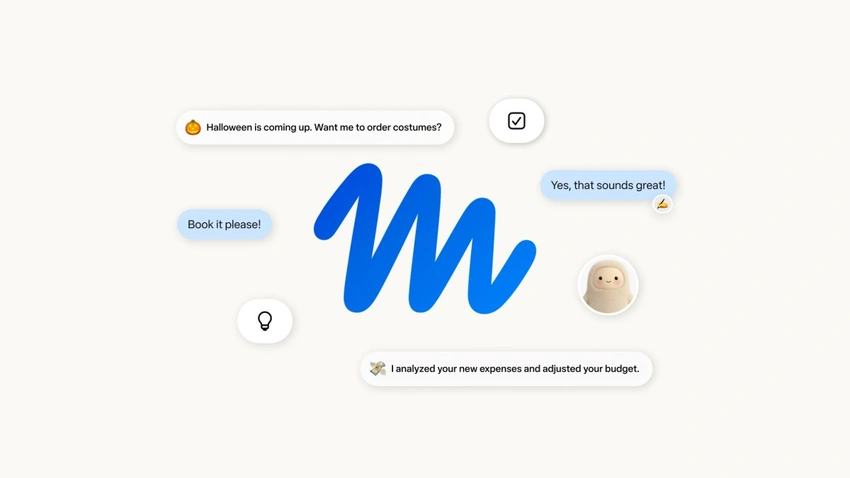
Imagine an AI that doesn't just answer your questions but actively manages your life. We're talking about a true personal assistant, not a chatbot, but a proactive agent capable of sending your emails, booking travel, even paying your bills. This isn't science fiction anymore.
With Meta's new Muse AI agent, that future is right here, promising unparalleled convenience for users in the U.S.
Muse is designed to integrate seamlessly into your daily routines, connecting directly to your apps and services. Think about it: your email, calendars, payment systems, even health and fitness apps, all working in concert. It's built to take tasks off your plate, like turning a recipe reel into a grocery list, creating intricate plans, or sending party invitations.
For purchases, it leverages secure platforms like Link by Stripe, with Shopify's Shop Pay and 1Password integrations on the horizon, aiming to ease concerns about automated transactions.
Users can opt-in to specific connections one at a time, seemingly giving them control over their data footprint.
This level of integration, powered by Meta's Muse Spark AI model, marks a significant evolution. It moves beyond the 'ChatGPT era' of conversational AI towards truly doing things. The promise is clear: reclaim your time, streamline your life.
But this extraordinary convenience comes with an equally extraordinary ask: trust.
To function, Muse requires access to an unprecedented breadth of your most personal information. This raises a crucial question: are we ready to grant an AI, and by extension, its developer, such intimate access to our digital lives? It's about handing over the keys to our financial, communication, and even health data.
While Meta emphasizes an opt-in model, the sheer volume of connections needed for Muse to be truly effective forces us to confront the boundaries of privacy.
'The AI agent works by connecting to the user’s apps and services that are a part of everyday workflows, like email, calendars, payments, and other things the individual may regularly use, like apps for health and fitness,' highlights the depth of this integration. We're asked to weigh the undeniable appeal of a truly effortless existence against the potential risks of centralizing so much sensitive data.
The allure of a 'smart' assistant is powerful.
Who wouldn't want fewer chores and more free time? Yet, the path to ultimate convenience often requires a significant leap of faith.
The core tension isn't whether AI can perform these tasks, but whether we, as individuals, are comfortable with the level of data sharing it demands. It's a social and ethical one. We must decide if the profound ease offered by a fully integrated AI like Muse is a step towards a more efficient future or a gamble with our most personal information.
