When the Music Stops: Allegations, Tours, and Artist Responsibility

When the Music Stops: Allegations, Tours, and Artist Responsibility
The music industry is reckoning with artist accountability. Geordie Greep's US tour cancellation following sexual misconduct allegations is the latest example of this evolving landscape.
The landscape of the music industry is rapidly shifting, with a growing emphasis on artist accountability. No longer can incidents behind the scenes remain just that; fans, venues, and the wider public are demanding transparency and immediate action. The recent situation involving Geordie Greep and the subsequent cancellation of his US tour dates serves as a stark reminder of this evolving standard.
It all unfolded on October 8th, just before Greep's scheduled Vancouver show. Fans waiting in line were reportedly handed flyers accusing him of sexual assault.
The flyers were direct, claiming he was a rapist and pointedly read, “You know what you did this morning Oct 8th.” The immediate fallout was palpable: his performance was delayed by almost two hours, and he ultimately played an abbreviated set without his band, reportedly making a statement from the stage.
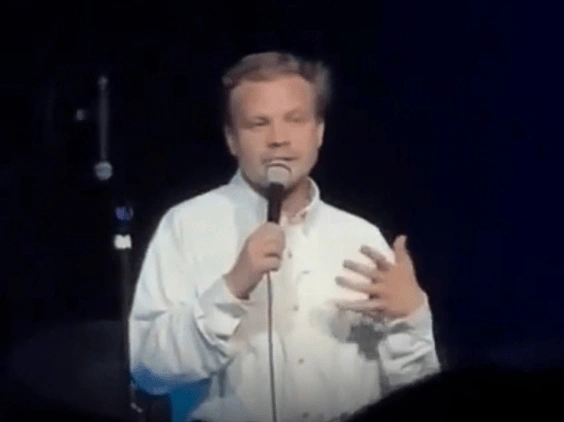
During his onstage address in Vancouver, the former Black Midi member acknowledged an incident.
He stated he was at a house party and "made a move, and it didn't come off, and I really quickly, of course, apologized. It was a complete misunderstanding on my part, and I felt extremely bad.
I feel extremely sorry and extremely upset about the whole situation. I would never rape a woman. I'm not a rapist.
It's not how that went down.” These words are now under intense scrutiny as the industry and fans grapple with the nuances of consent and interaction.
The Tour's Abrupt Halt
Following the Vancouver incident and Greep's on-stage remarks, the rest of his US tour dates were abruptly canceled. Shows in Boise, Salt Lake City, Boulder, and Denver were all pulled from the schedule. Interestingly, these cancellations came without any direct acknowledgment from Greep or his team, leaving ticket-holders to learn the news through emails from the venues themselves.
This lack of direct communication often amplifies public concern and speculation.
One anomaly remains: his concert at The Slowdown in Omaha, scheduled for October 14th, currently has no notice of cancellation. Meanwhile, his European dates are set to kick off next month, with no word yet on whether these will proceed as planned or face similar scrutiny. The music world is watching to see how this unfolds, and what precedents it might set for artist tours and public response to allegations.
Where Do We Go From Here?
This incident is more than just a single artist's tour cancellation; it reflects a broader cultural shift. The expectation for artists to not only deliver compelling performances but also uphold a standard of conduct off-stage is becoming non-negotiable.
Whether through direct accusations or social media movements, the demand for accountability is louder than ever.
Artists, management, and venues are all navigating a complex landscape where allegations, even if unproven in a legal sense, can have immediate and significant professional repercussions. The focus is no longer solely on artistic merit, but also on the ethical responsibilities that come with a public platform.
It's a challenging period of re-evaluation for everyone involved, underscoring the urgent need for transparent processes and clear boundaries in all interactions.
