India's GDP Growth Overestimated? Ex-Statistician Pronab Sen Raises Alarm!

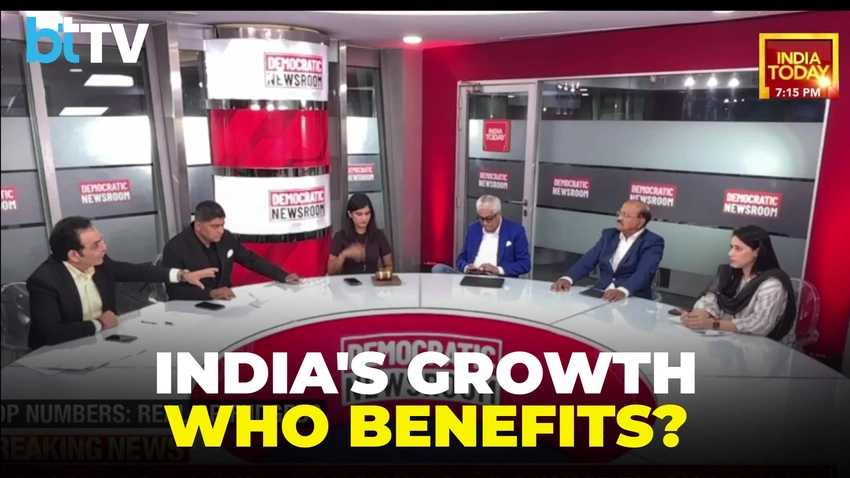
India's GDP Growth Overestimated? Ex-Statistician Pronab Sen Raises Alarm!
Former Chief Statistician Pronab Sen says India's GDP growth may be consistently overstated. Dive into the concerns about data methodology and the true picture of India's economy. #GDPIndia
India's economic growth figures are under scrutiny, with former Chief Statistician Pronab Sen raising significant concerns that the nation's Gross Domestic Product (GDP) growth may have been consistently overstated by 2 to 3 percent. This revelation comes amid ongoing debates about the accuracy and methodology behind India's economic data.
Sen highlighted a recurring pattern, stating,
If you look at the base revisions of the GDP series that we've had in the past, we have consistently had an overestimation happening of about 2 to 3%.
He suggested that this overstatement appears "hardwired" into the calculations, typically corrected only when the GDP base is revised. While past revisions were relatively smaller, the latest one, according to Sen, was considerably larger, intensifying questions about the historical accuracy of India's growth rates.
Beyond the historical overestimation, Sen also cast doubt on the methodology currently employed by the National Statistical Office (NSO). India has adopted a "double deflation" system, where both output and input values are adjusted for prices separately before GDP is calculated. While conceptually sound, Sen questioned whether India possesses enough detailed data to implement this complex method effectively.
He remarked, "The problem that we had earlier is that we simply didn't have the data," and expressed uncertainty about whether data collection has improved sufficiently to support the current methodology. Furthermore, he criticized the lack of transparency regarding the data and processes, and raised flags about the use of proxies for inputs.
Regarding the recent controversy surrounding the 7.8% growth figure, Sen dismissed former finance secretary Subhash Chandra Garg's calculation that growth was only 2.6%. Sen clarified that using an old estimate as the base for comparison is "conceptually wrong" because it belongs to a previous GDP series. He stressed that once the base has been changed and earlier estimates revised, the new, revised figure should be used for comparison.
However, Sen also offered a balanced perspective, noting that GDP revisions themselves should not be seen as unusual or indicative of manipulation. He explained that quarterly estimates are initially based on limited data and naturally become more accurate as additional information becomes available. The core of his concern, however, remains the potential for consistent overestimation and the opaque nature of the current statistical practices.
This expert critique adds a crucial voice to the ongoing discussion about the robustness of India's economic indicators, urging greater transparency and a re-evaluation of the data collection and estimation processes.

Login to comment.
No thots yet. Be the first to share your thoughts!